
Review · LUCERNE & LAKE LUCERNE TOURS
1.5-Hour Small-Group Nightwatchman Walk in Medieval Lucerne
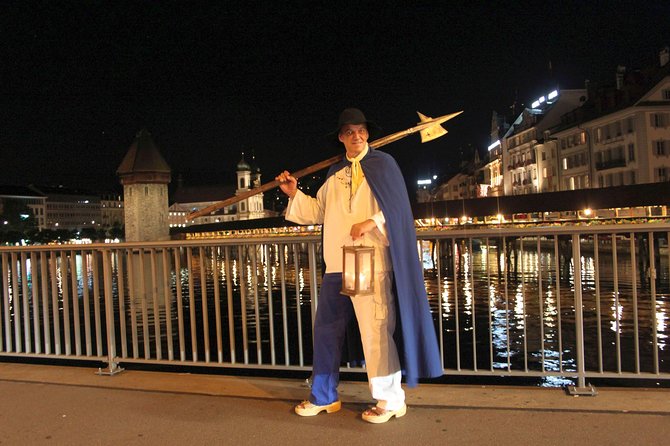
Lucerne gets theatrical after dark. This Nightwatchman walk turns the old town into a living stage, with a medievally dressed local guide and projector-style visuals that connect the dots between buildings and events. I especially like how you zoom in on the Martiniplan, Lucerne’s first city map (1597), and how the tour uses art, symbols, and local legends to make the Middle Ages feel close.
Two things I really appreciate: the guide’s mix of funny and dark stories, and the way you’re constantly given specific “look here” moments instead of generic history. One thing to consider is tone, the tour includes crime, prosecution, and punishment topics, and it can be a bit gory at times. Also, a few stops have entry tickets that are not included, so plan for possible extra cost.
In This Review
- Key things to know before you go
- Entering Lucerne as a Story, Not a Checklist
- Peterskapelle and the Martiniplan Map (1597)
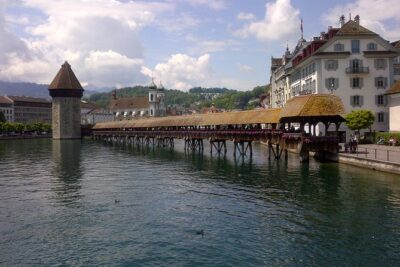
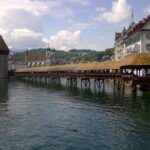
- Chapel Bridge, the Water Tower, and the City Timeline
- Furrengasse: Ghost Lore and the Toggeli
- Kornmarkt and Brandgässli: Civic Power and Riot Stories
- Weinmarkt and the Pharmacy Lore of the Broken Heart
- Im Zöpfli: How Law and Punishment Were Explained
- Reussbrücke, Spreuerbrücke, and the Wall Pieces Along the River
- Alte Suidtersche Apotheke: A Medieval Pharmacy Window
- Ritterscher Palace: Guardian Demons and the Dance of Death
- Ending on Chapel Bridge and the Jesuits Church (1677)
- Price, Group Size, and Whether It Feels Like a Bargain
- Who This Nightwatchman Walk Is Best For
- Should You Book This Nightwatchman Walk?
- FAQ
- Where does the Nightwatchman walk start?
- How long is the tour?
- Is the tour offered in English and is it small-group?
- Are admission tickets included for every stop?
- Are kids allowed?
- What if plans change and you need to cancel?
Key things to know before you go
- Projector-led medieval storytelling that points out details you might miss on your own
- Martiniplan (1597) stop so you can compare old map routes to today’s streets
- Chapel Bridge plus older Water Tower for a timeline that feels real
- Dark-legends highlights like the Toggeli and ghost lore in Furrengasse
- Art that shows in place such as projected Dance of Death paintings
- Small group size (max 15) that keeps the pace human
Still on the lake? Other Lucerne reviews
- Mount Pilatus Summit from Lucerne With Lake Cruise★ 4.5 · 1,260 reviews
- Jungfraujoch Top of Europe Day Trip from Lucerne★ 4.5 · 840 reviews
- Lucerne Walking & Boat Tour: The Best Swiss Experience★ 4.5 · 417 reviews
- Lake Lucerne Panoramic Sightseeing Cruise★ 4.5 · 363 reviews
Entering Lucerne as a Story, Not a Checklist
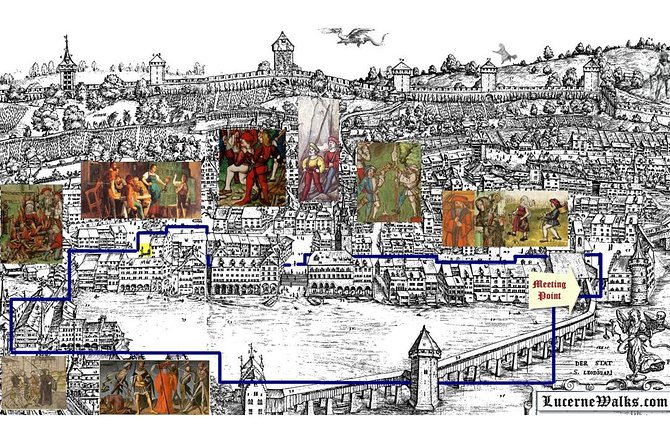
This is a night walk designed for atmosphere and context, not for museum time. You’ll meet at Rosengart Platz and then follow your guide into the medieval core for about 1.5 hours, with a maximum group size of 15, which helps keep questions flowing.
A big part of the value is how the guide teaches with visuals. Along the way, you get projector help for key moments, like the Martiniplan map and scenes of law and punishment, so you’re not just hearing dates, you’re seeing how people lived and what they believed.
Also, it runs rain, snow, or shine. That matters in Lucerne, where weather can change fast. Dress for walking and keep an umbrella handy, because you’ll be outside most of the time.
Peterskapelle and the Martiniplan Map (1597)
You start at Peterskapelle, where the mood shifts immediately. The Nightwatchman fire-horn moment is followed by a prayer-like invocation, and then you get the setup for his hard life in the Middle Ages.
This stop is where the tour becomes unusually specific. Using a projector, the guide introduces the Martiniplan, Lucerne’s first city map, dated 1597. You’ll study the map’s route lines and then watch those routes connect to buildings that still exist today, which makes the old town feel stable, not mythical.
From there, you see St. Peter’s Chapel, described as the first church in town dating to the 12th century. Nearby, you’ll spot St. Peter’s area details like the first private stone house in Lucerne, and you’ll hear how the idea of being stone rich connects to wealth and building materials.
Practical note: the Peterskapelle entry is listed as not included, so if the tour includes an interior moment there, you might need an extra ticket.
Chapel Bridge, the Water Tower, and the City Timeline
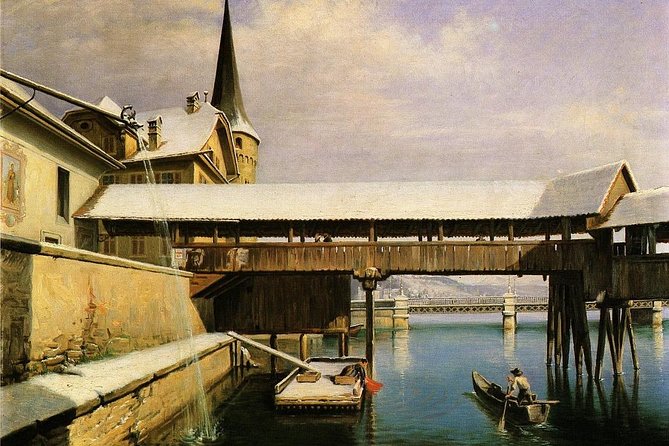
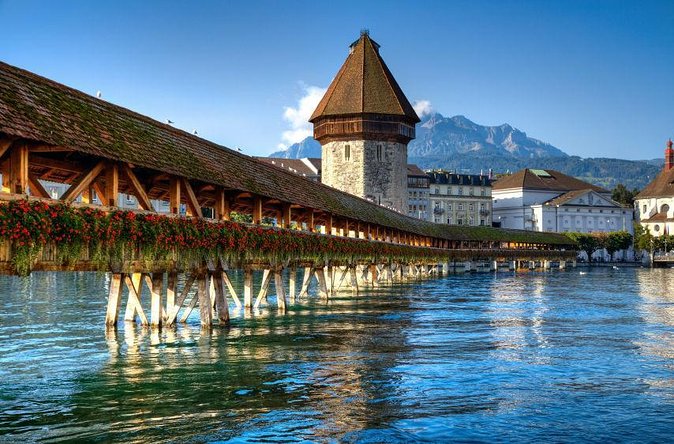
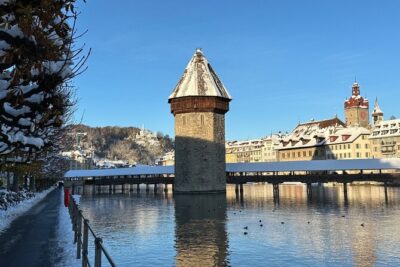
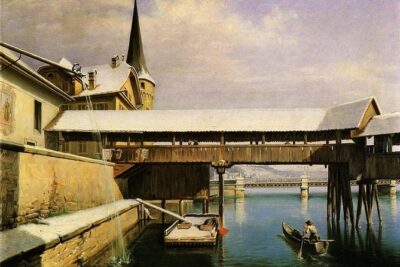
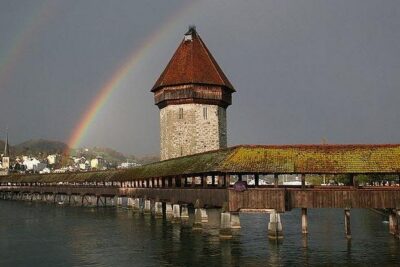
After the first deep dive, the walk shifts to two nearby landmarks that help you understand Lucerne’s growth. At the Chapel Bridge area, you get a timeline lesson with a twist: the Water Tower comes first, built in the late 13th century, while the Chapel Bridge dates to 1365.
This is one of those teachable contrasts that makes the city feel layered. The guide also shares images of the Water Tower interior, including references to a torture chamber, a dungeon, and a secret room. It’s not presented like sensational horror, but it is real and unsettling in subject matter, so keep expectations in check.
You also learn where the Chapel Bridge name comes from. It sounds simple, but naming links to how locals used the bridge and the story they told about it, which is exactly the kind of detail that turns architecture into culture.
Furrengasse: Ghost Lore and the Toggeli
Next up is Furrengasse, where you walk through a narrower stretch that feels like it should still echo with footsteps. Here, the tour turns toward ghost lore and darker folklore.
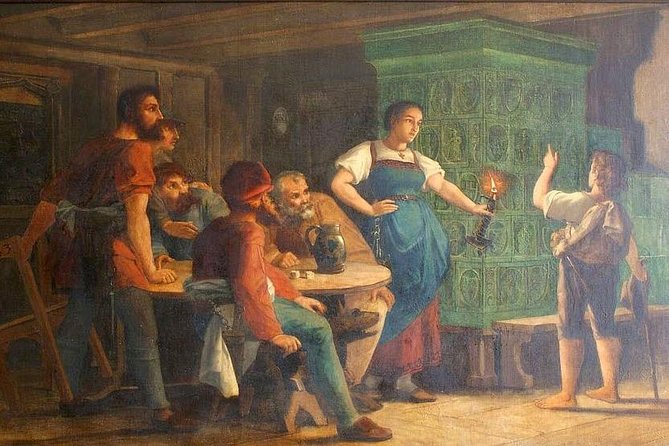
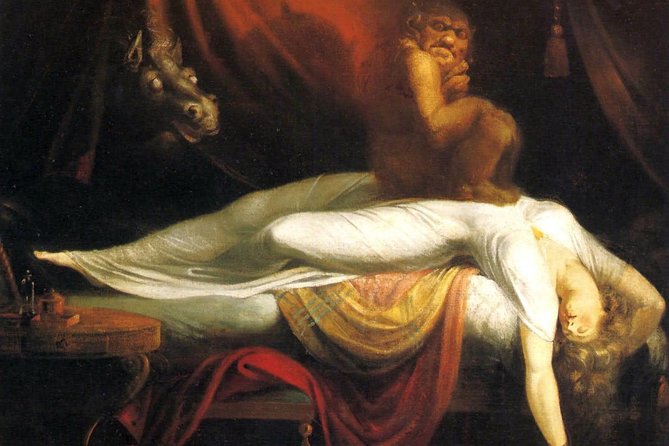
The guide points out the story of a ghost in the area and introduces the Toggeli, described as an incubus often described as a love robber. Whether you take it as superstition or social warning, it’s an entertaining way to hear what the Middle Ages feared, blamed, and tried to explain.
This stop works best if you enjoy legends. If you only want stone facts, you can still enjoy it as cultural color, because the guide ties the legend to the feel of the streets and what locals would have noticed at night.
Other Swiss towns covered on foot
Kornmarkt and Brandgässli: Civic Power and Riot Stories
Kornmarkt, Lucerne’s Town Hall Square, is where you see how governance looked in Renaissance-era style. The focus is on the Renaissance Town Hall and its tower with a clock that has no minute hand, a small detail that stands out once you notice it.
You’ll also hear the story of the Giant of Reiden. And there’s a very practical, very period-specific angle too: you’ll learn about Lucerne Foot and Lucerne Elle, the official measures used in old Lucerne. That kind of detail is gold if you like how everyday life worked, from building to trade.
Then you continue to Brandgässli Alley, where the mood shifts again. You learn about the Riot of Lucerne and then move into the former fish market, known today as the wine market. That change in use is a quiet reminder that cities are never frozen in time, they keep evolving.
Weinmarkt and the Pharmacy Lore of the Broken Heart
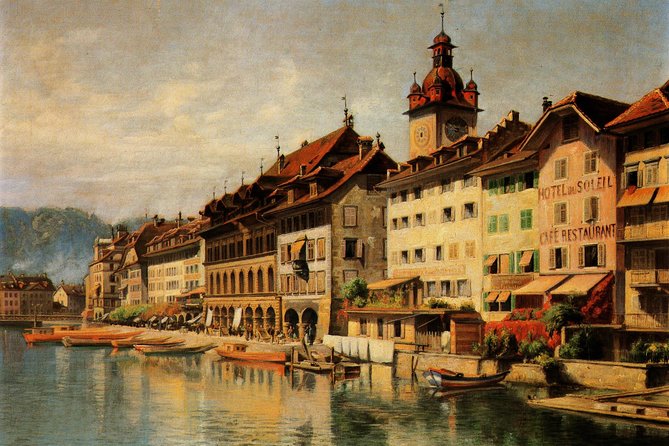
Weinmarkt is one of the stops where the tour feels visually rich without turning into a long museum lecture. You’ll see old guest house signs and frescos on nearby houses, which gives you a street-level sense of how commerce and community presented themselves.
A standout moment here is the former pharmacy house of Renward Cysat. You’ll read a Latin sentence: Amor medicabillis nullis herbis, explained as there is no cure for a broken heart. That’s the kind of line that makes a city’s language and beliefs feel human, not academic.
You also hear about reformation and counter reformation, and the tour includes a small tasting moment. The guide provides cups, and you can enjoy what’s described as the best water in Lucerne. It’s a small thing, but it breaks up the history-and-stone pattern with a very real sense of place.
As you move toward the lower wine market area, you’ll hear about the pillory location. Again, this is about law and social control, so it fits the tour’s night theme, but it can be intense if you’re sensitive to that kind of story.
Im Zöpfli: How Law and Punishment Were Explained
Im Zöpfli sits at the riverside square, and the tour uses the setting to talk about law and order in old Lucerne. Here, you’ll see projected paintings showing methods of prosecution, interrogation, and corporal punishment.
This is one of the most direct moments of the whole walk. It’s not just “people were strict,” it’s presented as specific procedures and practices. If you’re traveling with kids, this is the moment where you’ll want to decide ahead of time whether the topic level feels right for your group, since the tour includes corporal punishment and prosecution imagery.
The upside is that it’s memorable and understandable. Your brain connects the topic to the street layout and the social power behind it.
Reussbrücke, Spreuerbrücke, and the Wall Pieces Along the River
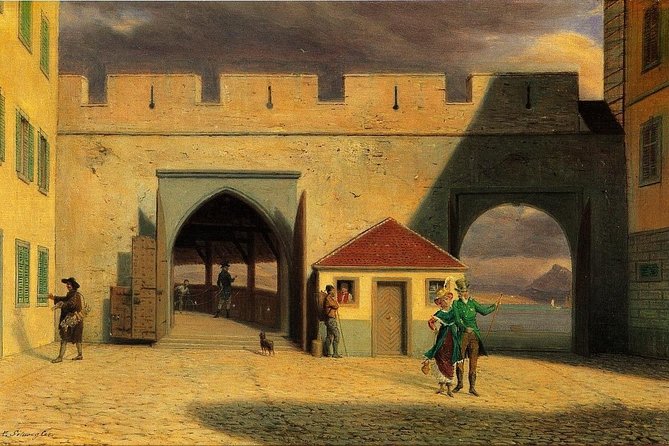
After Zöpfli, you pass the bridge called Reussbrücke, and you get a river stretch tour through key names and structures. You’ll see the Spreuerbruecke, also called the Mill Bridge, plus the Needle Dam and parts of the Musegg Wall.
This part works as a visual bridge between the town’s old civic center and the defensive ideas behind the walls. Even if you do not go inside the wall structures, you’re learning how the city defended itself and guided movement along the river.
It’s also a practical way to pause your mind. After the heavy topics, the river views and named landmarks let you re-center and keep the walk enjoyable.
Alte Suidtersche Apotheke: A Medieval Pharmacy Window
A few steps forward brings you to the Alte Suidtersche Apotheke, described as a breathtaking medieval pharmacy window. This stop is a nice change of pace, because you shift from punishment stories to a craft and service business that helped daily life.
The guide talks more about the house and its location, and if you like architecture details, you’ll probably enjoy how the window becomes a story object. This is one of the spots that feels like it belongs to the daytime, but it lands well in a night walk because you’re seeing it by guide light and attention.
Practical note: admission here is listed as not included. So if you end up wanting an interior look beyond what the guide provides from outside, budget for that possibility.
Ritterscher Palace: Guardian Demons and the Dance of Death
Ritterscher Palace is one of the tour’s bigger dramatic moments. You’ll be shown the concept of guardian demons, then stop at the legendary house of Lux Ritter.
Here, you’ll hear why the first two floors look different from the third one. That’s a small visual clue, and it’s the kind of architectural reading that makes you look harder at buildings after the tour ends.
You also hear the story of Hans von Trient, described as an unlucky stonemason. Then a major art sequence appears: the seven paintings of the Dance of Death. The guide has these images projected on a house wall, along with details that make the artwork feel connected to the street, not floating above it.
This is a highlight for people who love art history, symbolism, and storytelling. It’s also a stop where the mood can feel intense, because death-themed art and the tour’s medieval tone combine. If you’re okay with that, it’s unforgettable.
Practical note: the Ritterscher Palace stop also lists admission as not included.
Ending on Chapel Bridge and the Jesuits Church (1677)
Near the end, you pass the Church of the Jesuits, noted as the first baroque building in Switzerland, dating to 1677. It’s a useful reminder that Lucerne doesn’t stop at the Middle Ages, it keeps layers of style and belief on top of earlier streets.
Then you reach the final Chapel Bridge segment. You cross the bridge and see the paintings, and you learn why the bridge is built diagonally over the river. The diagonal detail is the kind of “wait, I never noticed that” moment that makes the last stretch feel like a payoff.
The tour ends back at the starting point at Rosengart Platz, so you’re not stuck wondering where you’ll finish in the dark.
Price, Group Size, and Whether It Feels Like a Bargain
At $39.54 per person for about 1.5 hours, this tour sits in the value range for guided experiences in a high-cost country. What helps the price make sense is what’s included: a medievally dressed local guide, some exclusive post cards featuring Old Lucerne, and taxes and handling.
Also, the pace stays compact because group size is capped at 15. That’s why the visuals work, the guide can project and still keep everyone close enough to see what matters.
What can change the cost is the not-included admission at specific stops. Peterskapelle, Alte Suidtersche Apotheke, and Ritterscher Palace are marked as admission not included. If you plan to pay for any interior time there, your total will go up.
Who This Nightwatchman Walk Is Best For
I’d point this tour toward people who want a guided way to read Lucerne’s streets. If you like architecture with stories attached, or you enjoy legends alongside factual context, you’ll probably have a great time.
It’s also a strong pick for families, based on the guides’ tone described as funny and personable in feedback, but you should be aware of gory and punishment themes. If your group includes very young kids or anyone who prefers light content at night, you may want to think twice.
And it’s a solid choice even if you’ve been to Lucerne before. One of the best benefits is the fresh angle, you stop at familiar places like Chapel Bridge and you’re told what to notice beyond the postcard view.
Should You Book This Nightwatchman Walk?
Book it if you want a night walk that explains Lucerne like a story, not like a spreadsheet. The Martiniplan map moment, the projector visuals, and the guided reading of symbols on buildings are the core reasons this works. If you enjoy art details like the projected Dance of Death paintings and you’re okay with dark medieval topics, this is one of the more memorable ways to spend 1.5 hours in town.
Skip or reconsider if extra admission costs would be a deal breaker for you, or if you strongly prefer non-graphic stories. A few stops are not included for entry, and the tour includes prosecution and corporal punishment themes.
If you’re packing comfortable walking shoes and you’re ready for Lucerne after dark, this is a very good match.
FAQ
Where does the Nightwatchman walk start?
You meet at Rosengart Platz, 6004 Lucerne, Switzerland. The tour ends back at the same meeting point.
How long is the tour?
The walk lasts about 1 hour 30 minutes.
Is the tour offered in English and is it small-group?
Yes. The tour is offered in English and has a maximum group size of 15 travelers.
Are admission tickets included for every stop?
No. Some stops list admission tickets as not included, including Peterskapelle, Alte Suidtersche Apotheke, and Ritterscher Palace.
Are kids allowed?
Children up to twelve years old are free, but they must be accompanied by an adult.
What if plans change and you need to cancel?
You can cancel for free up to 24 hours in advance for a full refund. If you cancel less than 24 hours before the start time, the amount paid is not refunded.
Switzerland on Foot

The Rest of the Switzerland Reviews

Lucerne and Its Lake, Continued

Just added to the Switzerland review pile
- Cheese, Chocolate and Wine in the Bern Region from Luzern
★ 5.0 · 3 reviews - Best of the Uri Alps: A fjord-like lake, glorious peaks and sustainable tourism
★ 5.0 · 3 reviews - Private city tour in lucerne
★ 5.0 · 4 reviews - Touristic highlights of Lucerne on a Private half day tour with a local
★ 4.0 · 5 reviews - Alpine Majesty:Exclusive Private Tour to Mount Titlis from Luzern
★ 4.0 · 5 reviews - Glacier Express Panoramic Train Round Trip in one Day Private Tour from Luzern
★ 4.0 · 5 reviews
Lucerne & Lake Lucerne Tours next to each other.
 ★ 4.5Mount Titlis and Lucerne Day Trip from ZurichFrom $2151,960 reviews
 ★ 4.5Mount Pilatus Summit from Lucerne With Lake CruiseFrom $2231,260 reviews
 ★ 4.5Jungfraujoch Top of Europe Day Trip from LucerneFrom $366840 reviews
 ★ 4.5Mt Pilatus and Lucerne Day Trip from Zurich With Lake CruiseFrom $250694 reviews
 ★ 4.5Lucerne Walking & Boat Tour: The Best Swiss ExperienceFrom $118417 reviews
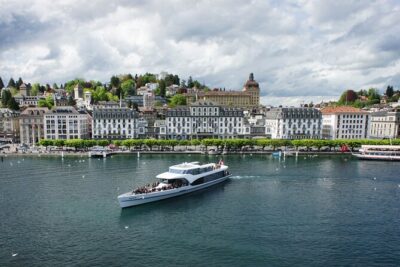 ★ 4.5Lake Lucerne Panoramic Sightseeing CruiseFrom $39363 reviews
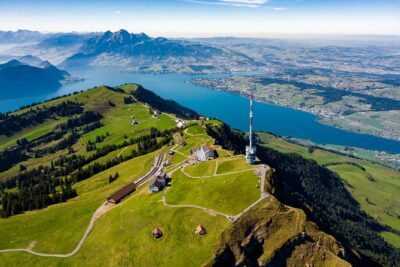 ★ 4.5Mt Rigi and Lucerne Day Trip from Zurich With Boat RideFrom $204297 reviews
 ★ 5.0Lucerne’s Hidden Secrets by Electric Cargo BikeFrom $209288 reviews
Browse the lists this tour appears in