
Review · INTERLAKEN & THE BERNESE OBERLAND
Winter Kayak Tour of the Turquoise Lake Brienz
Cold water, warm gear, big views. This winter kayak tour on Lake Brienz turns a chilly lake day into a calm, guided paddle with snow mountains reflected on mirror-like water, plus standout Ringgenberg Castle views from the clear water. I also like that you get proper dry suits and instruction so first-timers can keep going without guessing. The only real drawback is the commitment to winter clothing and dry suit contact, since latex or neoprene allergies may make this a poor fit.
You meet at Am Quai 1 in Bönigen and head out for a roughly 3-hour experience with a small group capped at six. It’s English-speaking, and even if you’ve never paddled before, you still need to be able to handle a kayak on your own. If you like active sightseeing that feels peaceful instead of crowded, you’ll probably enjoy this one.
In This Review
- Key takeaways
- Why Winter Kayaking on Lake Brienz Feels Different
- Price and Time: Is It Worth $202.06 for 3 Hours?
- What’s Included: The Gear and the Photo Package That Save Hassle
- The Dry Suit Reality Check: Staying Warm Without Surprises
- Meeting Point in Bönigen: How to Set Yourself Up for a Smooth Start
- Hightide Kayak School: Your First Skills and Safety Basics
- Lake Brienz by Kayak: Ringgenberg Castle and Snow Reflections
- Boenigen and Interlaken Views: A Different Angle on Familiar Names
- Strandbad Bonigen Beach Break: The Calm Moment in the Middle of Winter
- Bernese Oberland, Jungfrau Region, and Swiss Alps: Seeing the Big Picture
- Fitness Requirements and Real Safety Notes: Who Should Book
- What the Small Group Does for the Experience
- Weather, Cancellations, and Why Flexibility Is Part of Winter
- Who This Kayak Tour Is Best For
- Should You Book This Winter Kayak on Lake Brienz?
- FAQ
- How long is the Winter Kayak Tour of the Turquoise Lake Brienz?
- Where do I meet for the tour?
- How big is the group?
- Is the tour offered in English?
- Do I need previous kayaking experience?
- What is included in the tour price?
- What should I wear or bring for winter conditions?
- Are children allowed?
- Are there weight and height limits?
- What if weather conditions are poor?
Key takeaways
- Real winter gear included: dry suit, warm layers, and equipment rental to help you stay warm and dry
- Small-group feel: max six people means more hands-on help and a calmer paddle
- Castle views from clear water: Ringgenberg Castle sightings are a major payoff
- First-time friendly, with a condition: no prior experience needed, but you must manage the kayak yourself
- Guides make the difference: instructors like Sean, Ryan, and Patrizia are repeatedly described as supportive and fun
More from Interlaken and the Oberland valleys
- Kayak Tour of the Turquoise Lake Brienz★ 5.0 · 566 reviews
- Jungfraujoch Top of Europe Day Trip from Interlaken★ 4.5 · 518 reviews
- Winter Kayak Tour of the Turquoise Lake Brienz★ 5.0 · 439 reviews
- Harder Kulm – Top of Interlaken – Cable Car Ticket★ 4.5 · 196 reviews
Why Winter Kayaking on Lake Brienz Feels Different
Lake Brienz in winter is not just scenery, it’s a whole mood. The tour is built around snow-covered mountains, and the water can look so still that reflections feel almost unreal. That is the core appeal: you’re not skiing the pistes. You’re gliding across the lake with time and space to take it in, guided step-by-step.
Two things I really like about this concept. First, the equipment approach matters. The tour includes kayak rental plus warm layers and a dry suit setup designed for cold conditions. Second, the instruction style shows up in how guides are described, with people praising clear steps for getting suited up, learning paddle basics, and feeling comfortable before going farther.
The main consideration is comfort and safety gear contact. The dry suit uses latex gaskets at the wrists and neoprene protection at the neck. If you know you react to latex or neoprene, you should think hard before booking.
Price and Time: Is It Worth $202.06 for 3 Hours?
At $202.06 per person for about 3 hours, this is not a budget activity. But it includes more than a simple rental. You’re paying for a guided winter session, a kayak, and the whole thermal system: warm layers plus a dry suit and equipment rental, capped at six people for more direct help.
That matters in winter. Cold air changes everything. A regular summer kayak rental does not include the same level of thermal protection or guide-led coaching. Here, the value comes from reducing the two biggest risks for beginners: getting cold and not feeling confident in basic handling. Many people also mention photos being taken during the trip, which is an added cost you would normally cover yourself.
So, should you buy it at this price? If you want a winter activity with gear support and a guide who helps you actually paddle, the price starts to feel fair. If you’re mostly chasing a quick scenic photo from shore, then it may feel steep.
What’s Included: The Gear and the Photo Package That Save Hassle
This tour includes several practical items that make the day easier. You get a guided kayak session on Lake Brienz, plus the kayak and equipment rental. You also get warm layers and a dry suit meant to keep you warm and dry during the paddle.
One more detail that’s easy to overlook until you’re there: the photo package. Multiple guide descriptions mention taking photos throughout the experience, including supportive moments like getting people set up correctly and capturing the scenery from the water. That is useful because in winter, your hands are working, not holding a phone.
If you’re thinking about what to bring, pack like you want warmth even after you arrive. The tour guidance suggests thick socks, thermal top and bottom, and a thin jumper under the dry suit. Add extra layers if it’s very cold, plus sunglasses, sunhat, and sunscreen.
The Dry Suit Reality Check: Staying Warm Without Surprises
Winter kayaking is not just about cold water. It’s about wind, soaked layers, and the time between paddling bursts. That’s why dry suits are central to this tour.
The tour notes that dry suits use latex gaskets at the wrists and a neoprene material called Glideskin for the neck area. Direct contact is unavoidable, so latex or neoprene allergies are a real deal here, not a minor note. If you have mild sensitivities, you may still want to check with a doctor before you go.
Also think about getting dressed. Even with gear provided, the process is hands-on. People describe guides running through each step, from wearing the dry suit to entering the kayak, which is exactly what you want when the temperature is making you impatient.
Finally, bring a change of clothes. It’s not about being sloppy. It’s about travel comfort after you get back to shore.
More cold-season Swiss outings
Meeting Point in Bönigen: How to Set Yourself Up for a Smooth Start
You’ll meet at Am Quai 1, 3806 Bönigen, Switzerland, and the tour ends back at the meeting point. The activity is near public transportation, which matters because parking in winter can be a headache and you don’t want to arrive stressed.
Confirmation comes at booking time, and tickets are mobile, so you can keep everything on your phone. For a cold-weather activity, I like this approach because you reduce standing around searching for papers.
Plan to arrive with time to get comfortable. Even if you feel ready, dry suit mornings take a few minutes. The guides are there to help, but you’ll enjoy the tour more if you are not rushing into layers and equipment at the last second.
Hightide Kayak School: Your First Skills and Safety Basics
Your first stop is Hightide Kayak School, which is where the day becomes real. This is not just a meet-and-go launch. It’s where you learn how to dress, how to handle the kayak, and how to move safely on cold water.
This matters for two reasons. One, you don’t need previous kayaking experience, but you do need to be able to handle a kayak on your own. That means the coaching has to be practical, not theoretical. Two, winter gear changes your mobility, so you need a quick, correct setup before the water.
In the reviews, people repeatedly describe guides as supportive and patient during the suit-up and first paddle steps. Names like Barrie, Sean, and Ryan come up in ways that suggest a calm teaching style. You’ll probably feel the difference if your guide gives clear, slow instructions for posture and paddling technique rather than expecting you to figure it out while cold air is biting.
Lake Brienz by Kayak: Ringgenberg Castle and Snow Reflections
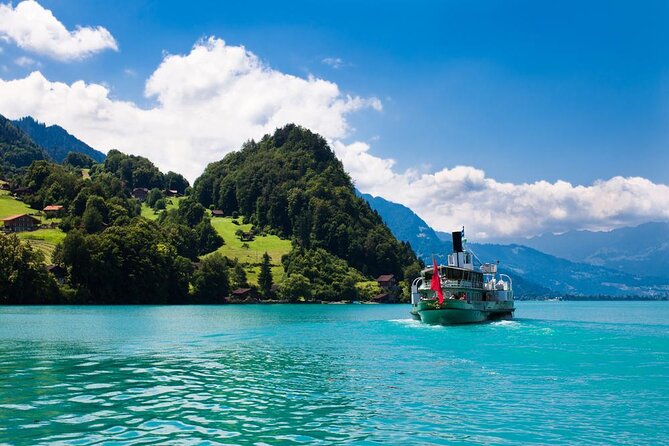
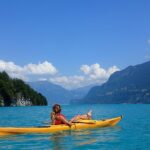
Next comes Lake Brienz itself, and this is where the tour’s promise lands. You paddle across the lake while snow-covered mountains reflect on the water. If the weather cooperates, it feels like the lake is holding the whole winter scene still.
The highlight is sweeping views over Ringgenberg Castle from clear water. That is the kind of sight that’s hard to recreate from shore. From a kayak, you get a lower perspective and a closer view of how the castle and hills sit in the winter panorama.
Also pay attention to how the guide controls pace. A winter tour should feel steady, not rushed. Since the group is small, your guide can adjust the pace based on who’s still learning paddle strokes and who’s ready to move farther out.
Boenigen and Interlaken Views: A Different Angle on Familiar Names
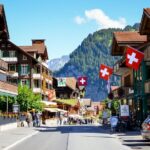
After the open water moments, the route includes Boenigen and Interlaken. Even if you’ve heard these places as day-trip names, you’ll experience them differently from the lake.
On the water, towns stop being landmarks and start being shoreline details: buildings, edges of beaches, and the gentle way the coastline bends around the lake. A guided kayak lets you see how the lake connects to the region, not just a quick photo from a street viewpoint.
The value here is perspective. Interlaken and the broader area can look familiar from overlooks, but from the water you also feel the scale of the lake and the calm spacing of winter light.
One more reason I like this segment: it keeps the day from feeling like one long straight paddle. It breaks up the experience so you’re not fighting cold and monotony at the same time.
Strandbad Bonigen Beach Break: The Calm Moment in the Middle of Winter
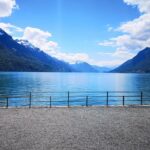
Your route includes The Beach, Strandbad Bonigen. This is a key emotional reset in a winter outing. Shore breaks give your body time to settle, and they give your guide a chance to regroup the group.
Some guide descriptions include small comfort touches during the paddle break, like tea and biscuits floating in the kayak. You should treat that as an occasional bonus rather than a guaranteed item, since the plan details you have are focused on the tour itself. Still, it’s a good sign: this company seems to understand that winter kayaking is half adventure, half comfort management.
If you feel a little tense early in the tour, this is where you often start relaxing. You’ve got a rhythm, the dry suit is working, and you’re back in sightseeing mode.
Bernese Oberland, Jungfrau Region, and Swiss Alps: Seeing the Big Picture
The later parts of the route reference Bernese Oberland, the Jungfrau Region, and the Swiss Alps. These aren’t just geographic labels. They’re the reason the views are so dramatic. Lake Brienz sits in a pocket of the Alps where winter snow and mountain shapes are never far away.
What you’ll actually experience is a mix of range views and close shoreline impressions. The mountains become both background and framing, which is why the water reflections are such a selling point.
This is also where the tour feels like a connection to the region, not only an activity. You paddle with the sense that you’re inside one of Switzerland’s big scenic systems, all from a calm surface that changes how the whole area looks.
Fitness Requirements and Real Safety Notes: Who Should Book
The tour asks for moderate physical fitness, and children 15 and younger are not allowed. You also need to be able to handle a kayak on your own, even though you don’t need previous experience. That combination is important. It means your guide will teach you, but the water still requires you to participate actively.
There are also size limits listed: maximum weight 120 kg and maximum height 120 cm. If you fit within those, you’re eligible from a body-compatibility standpoint.
Health wise, the instructions say to carefully consider the trip if you have back, neck, lower back, joint, or muscular problems. That’s wise. Cold conditions plus a sitting core posture can be uncomfortable, and winter gear adds bulk.
Finally, latex or neoprene allergies are explicitly not recommended. If allergies are part of your medical history, treat this as a make-or-break factor.
What the Small Group Does for the Experience
This tour caps at six travelers, which changes how it feels from the start. Small groups allow a guide to correct technique quickly. You spend less time waiting, and you get more individualized support when you’re learning how to move the kayak without wobbling.
This is also why first-timers often have good days. When coaching is fast and personal, you don’t lose confidence. The guide descriptions you provided back this up, with people emphasizing how instructors made them feel comfortable and how small groups led to a more relaxed, serene outing.
In winter, calm matters. Too many people in a shared space means more noise, more jostling at gear time, and more time standing still in the cold. A six-person cap helps keep things controlled.
Weather, Cancellations, and Why Flexibility Is Part of Winter
The tour requires good weather. If it’s canceled due to poor weather, you’ll be offered a different date or a full refund. There is also a minimum number of travelers, and if the minimum isn’t met, you’ll get another date or a full refund.
Translation for your planning: winter kayaking is worth booking, but you should build in flexibility. If you have a tight itinerary and one fixed day only, you’ll want to choose your timing carefully.
Who This Kayak Tour Is Best For
This is a great choice if you want winter views, active time outside, and a guided experience that doesn’t require previous kayaking skills. It’s also ideal if you like learning something new and having a guide who takes safety and comfort seriously.
You’ll likely enjoy it more if you:
- Feel comfortable dressing in layers and wearing a dry suit
- Can handle a kayak independently after basic instruction
- Want calm sightseeing instead of crowded mountain stops
- Prefer small group tours with direct help
You might want to skip it if you:
- Have latex or neoprene allergies
- Have conditions that make cold, sitting posture, or movement difficult
- Are looking for something purely easy with no hands-on participation
Should You Book This Winter Kayak on Lake Brienz?
I’d book this if you want one winter experience that feels peaceful, scenic, and guided, without needing prior skills. The value is in the package: dry suits and warm layers, a small group of six, expert guidance, and the photo package that helps you keep the memories without battling winter cold for camera time.
I would not book it if allergies or mobility concerns are a big factor, or if you hate the idea of getting dressed for winter conditions. In that case, the “peaceful magical environment” won’t feel magical, it will feel stressful.
If you’re somewhere between those extremes, my advice is simple: choose a day that has the best chance of workable weather and dress like you mean it. Lake Brienz can be stunning in winter, and this tour is set up so you can actually enjoy it from the water.
FAQ
How long is the Winter Kayak Tour of the Turquoise Lake Brienz?
It runs for approximately 3 hours.
Where do I meet for the tour?
The meeting point is Am Quai 1, 3806 Bönigen, Switzerland.
How big is the group?
This activity has a maximum group size of 6 travelers.
Is the tour offered in English?
Yes, it is offered in English.
Do I need previous kayaking experience?
No previous kayaking experience is required, but you must be able to handle a kayak on your own.
What is included in the tour price?
The tour includes the guided kayaking experience on Lake Brienz, the kayak and equipment rental, warm layers, and a photo package.
What should I wear or bring for winter conditions?
You should bring warm clothes to wear under the dry suit, such as thick socks, thermal bottom and top, and a thin jumper. The guidance also suggests extra layers if very cold, sunglasses, sunhat, cream, and a change of clothes.
Are children allowed?
Children 15 and younger are not allowed.
Are there weight and height limits?
Yes. The maximum weight is 120 kg, and the maximum height is 120 cm.
What if weather conditions are poor?
The experience requires good weather. If it is canceled due to poor weather, you will be offered a different date or a full refund.
More Guided Swiss Outings
The Rest of the Switzerland Reviews
Deeper Into the Bernese Oberland
Just added to the Switzerland review pile
- Raclette Rafting in Interlaken
★ 3.5 · 3 reviews - Phototour Private Photoshoot in Interlaken & Lake Brienz and Thun
★ 5.0 · 3 reviews - Interlaken Full-Day Highlights Tour with a Local by Private Car
★ 4.5 · 3 reviews - Bollywood Tour Gstaad – Express Tour
★ 5.0 · 3 reviews - 1-Day Beginner Snowboard Package in Grindelwald
★ 3.5 · 3 reviews - Private transfer from Interlaken to Zurich Airport
★ 5.0 · 4 reviews
Interlaken & the Bernese Oberland next to each other.
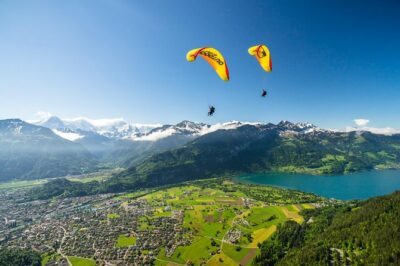 ★ 5.0Tandem Paragliding Experience from InterlakenFrom $2521,655 reviews
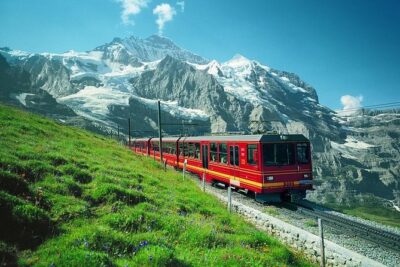 ★ 4.5Jungfraujoch Day Trip from Zurich: Swiss Alps & Bernese OberlandFrom $3861,409 reviews
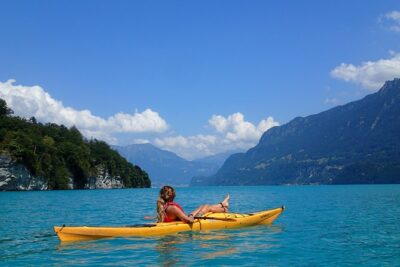 ★ 5.0Kayak Tour of the Turquoise Lake BrienzFrom $166566 reviews
 ★ 4.5Jungfraujoch Top of Europe Day Trip from InterlakenFrom $361518 reviews
 ★ 4.5Grindelwald, Interlaken & Lauterbrunnen Day Trip from ZurichFrom $147464 reviews
 ★ 4.5Grindelwald, Lauterbrunnen Lungern Interlaken Semi-PrivateFrom $292393 reviews
 ★ 4.0Swiss Alps: Interlaken and Grindelwald Day Trip from ZurichFrom $130360 reviews
 ★ 4.0From Interlaken: Jungfraujoch Top of Europe TicketFrom $288251 reviews
Browse the lists this tour appears in