
Review · LUGANO & TICINO
Lugano Private Walking Tour with a Professional Guide
Lugano history feels like a street map that talks back. This private walking tour connects Celtic and Roman roots to later Ticino politics and culture, all while you move between iconic squares and churches like Villa Ciani. I also like that it is only about 2 hours, which makes it easy to fit into a day without turning your whole schedule into a history lesson.
The best part is getting to the Cattedrale di San Lorenzo, highlighted as the oldest sacred building in Switzerland. You also have a real chance to adjust what you focus on with your guide on the spot. One thing to keep in mind: entrance fees are not included, and like any tour, a guide could be unavailable at the last minute (there was a reported case involving a Covid positive guide), so stay alert for any same-day updates.
In This Review
- Key highlights
- Lugano’s Italian mood, explained by real regional change
- The value of a private, 2-hour walking tour (and when it pays off)
- Where you start and how the walk stays efficient
- Villa Ciani, green space as a key to how Lugano grew
- Piazza Indipendenza and the rhythm of Lugano’s center
- Chiesa di San Rocco and religious architecture as a timeline clue
- Via Canova, Piazza Riforma, and the art of moving between stories
- Cattedrale di San Lorenzo, the standout sacred stop
- Via Pessina and Via Nassa: closing the loop in central Lugano
- The history your guide will connect, from Celts to modern finance
- Customization on the spot, what to ask for
- What the guides do well, based on real experiences
- Price and logistics, the honest way to judge it
- Should you book the Lugano Private Walking Tour?
Key highlights
- Private group only, so your guide can slow down or speed up to match your pace
- Villa Ciani to San Lorenzo, a route that blends parks, plazas, and major religious stops
- Ancient Celtic and Roman influence, plus the long struggle for control in Ticino
- Gotthard Pass and power shifts, from Napoleon to the Helvetic Republic and beyond
- Risorgimento and tourism/banking rise, tying local change to bigger Italian and Swiss stories
- Possible on-the-spot customization, so you can spend more time where you care most
Southbound: other Ticino write-ups
- Skip the Line: Falconeria Locarno Ticket★ 4.5 · 155 reviews
- Lugano Region Guided Excursion from Lugano to Monte San Salvatore by funicular★ 4.5 · 30 reviews
- Lugano Mountains, tour from Milan, Lugano, lake Como.★ 5.0 · 27 reviews
- Lugano & Morcote, Lake Lugano, private guided tour, from Lugano★ 4.5 · 21 reviews
Lugano’s Italian mood, explained by real regional change
Lugano sits in Switzerland, but it wears an Italian face. That is not just a vibe. In this tour, the guide connects why the area feels this way by walking you through layers of rule, trade, and identity.
You will hear about Celtic and Roman influence, which is the early backstory for why the region mattered at all. Then the story moves into later centuries, when control of Ticino became a long, contested game. The result is that Lugano stops being just a pretty lake city and starts feeling like a strategic crossroads.
The value of a private, 2-hour walking tour (and when it pays off)
This is priced at $421.97 per group, up to 15 people, and it runs about 2 hours. For a private tour, that sounds steep until you do the math.
- With a small group, you are paying more per person.
- With a larger group close to the cap, the per-person cost can look much more reasonable.
What makes the time matter is the structure. Two hours is enough for a focused route and clear explanations, but short enough that you can still enjoy Lugano on your own afterward, including lunch, gelato, or a lake stroll.
Also, since it is private, the guide is not stuck delivering the same script at the same volume to a long line of people. That is why you tend to get practical, on-the-ground recommendations alongside the historical narrative.
Where you start and how the walk stays efficient
You meet at Piazza Riziero Rezzonico 7 in Lugano. The activity ends back at the meeting point, so you are not left figuring out how to get home from the far end of town.
The route is built around recognizable anchors: a park and villa area, then a string of squares and streets, finishing with the big church stop and continuing through central lanes. It is also designed to be doable for most people, and it is near public transportation.
Practical tip: if you have a must-see for later in the day, plan it after the tour. Two hours can be plenty of time, but you do not want to schedule something stressful right at the end.
Villa Ciani, green space as a key to how Lugano grew
You begin with Villa Ciani. Even if you are not stopping for a long visit, this is a strong starting point because it sets the tone for Lugano’s identity: elegant, garden-like, and tied to the city’s sense of leisure.
In a tour like this, the “why here” matters. Lugano’s Italian ambiance is not random. The guide’s bigger theme is how the region developed through historical turns, and the villa-and-park start gives you an immediate sense of how people lived and gathered, not just what rulers signed.
If you like walking tours that start in a place with atmosphere, this is a good opening. It helps you settle in before the history gets more political and complicated.
Private departures, other Swiss options

Piazza Indipendenza and the rhythm of Lugano’s center
Next up is Piazza Indipendenza. Squares are where cities show off their layout, and in Lugano, they also work as natural checkpoints to keep your orientation.
This is where you can start connecting the dots between what you see now and what the guide tells you about control of the region over centuries. You will be hearing about conflict in Ticino and political shifts like the Helvetic Republic period. Having a central square in the middle of the route helps the story land because it anchors the “where” in your mind.
Chiesa di San Rocco and religious architecture as a timeline clue
You then head to Chiesa di San Rocco. Churches like this often function as visible timelines. Even when the exact details are not what you focus on, your guide can use the stop to talk about the long arc of local identity and the role of religious life in the region.
The key benefit here is that your historical explanations are not floating. They connect to real buildings, real streets, and real urban patterns. If you like learning history through place, this is a strong section of the walk.
Via Canova, Piazza Riforma, and the art of moving between stories
You continue through Via Canova and then onto Piazza Riforma and Piazza Cioccaro. These street and plaza stops keep the tour from feeling like a straight line between “important things.” You are instead seeing how the city breathes.
Why it matters: Lugano’s past is not only about big events. It is also about how people moved, traded, and lived around the civic and religious centers. Your guide ties these spaces into the bigger narrative, including the later rise of tourism and the arrival of the banking system.
This is also where I think the private format really helps. If you want extra time in one plaza to take photos or ask questions, your guide can adjust on the spot.
Cattedrale di San Lorenzo, the standout sacred stop
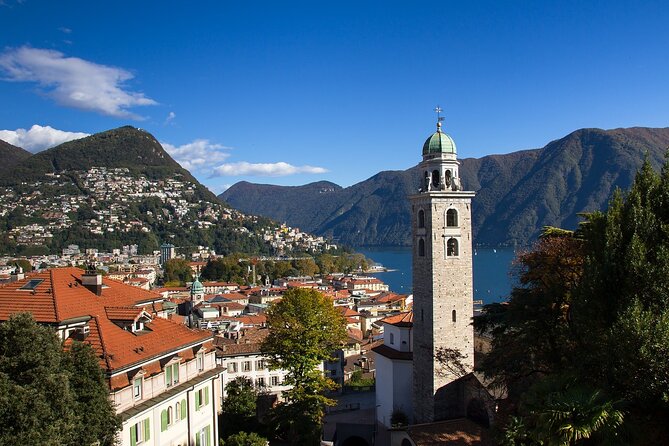
At some point you will reach Cattedrale di San Lorenzo, and this is a major highlight. The tour specifically calls out the visit to the oldest sacred building in Switzerland, and this cathedral is the stop tied to that highlight.
If churches are your thing, do not treat this as a quick look from the doorway. Give it a real moment. In a tour focused on Celtic and Roman roots, plus later political changes, the cathedral stop is where continuity becomes visible. It is not just about what changed. It is also about what endured.
Even if you are not a cathedral expert, a good local guide can make a historic religious building understandable by explaining why it mattered to the region, and how it fits into the larger story you have been hearing all along.
Via Pessina and Via Nassa: closing the loop in central Lugano
After the cathedral, the walk continues through Via Pessina and Via Nassa. These streets matter because they connect the “anchor landmarks” back into the everyday fabric of Lugano.
This is where you often start noticing details you would otherwise miss. Your guide’s historical thread now feels less abstract because you are seeing the route as a whole, not as separate stops.
If you like a tour that leaves you with a map in your head, this ending stretch usually does that job. By the time you are back near the meeting point, you know where you are and what you have already seen.
The history your guide will connect, from Celts to modern finance
The tour theme is ancient history with Celtic and Roman ties, but the guide will connect that early foundation to later eras that shaped what Lugano became.
Here are the big storylines you should expect to hear, woven into the street stops:
Celtic and Roman influence
This is the origin layer. You will learn how early presence made the region meaningful long before later political struggles.
Gotthard Pass
You will hear about the building of the Gotthard Pass. For Ticino, that matters because it connects the area to larger routes and power networks. It is one of those “infrastructure changes everything” stories.
Three centuries of conflict in Ticino
You will learn about three centuries of conflict over control of Ticino. This is where the tour becomes more than postcard Lugano. It turns into a story about who had leverage and why.
Napoleon, the Helvetic Republic, and independent Ticino
You will hear about the era of Napoleon, the Helvetic Republic, and the independent Republic of Ticino. The guide is essentially explaining how identity and governance shifted, not just who won fights.
Risorgimento and Italian unification
You will also cover Risorgimento influence. That helps explain why Lugano’s Italian feel is not merely cultural. It is tied to real political movements in the broader region.
Tourism and banking
Finally, you will hear about the rise of tourism and the arrival of the banking system. This brings you to the modern story line: how Lugano became a place people visited and then invested in.
I like how the guide’s themes create a “cause and effect” chain. It makes the city easier to understand when you return to doing your own exploring.
Customization on the spot, what to ask for
The tour offers possible customization based on what you want to visit. That is a practical feature, not just marketing.
To get the most value, decide before you go which kind of history you care about most:
- Political power shifts, like conflicts in Ticino and the Napoleon era
- Early roots, like Celtic and Roman influence
- Big infrastructure, like the Gotthard Pass
- The modern turning points, like tourism and banking
Then, when you meet your guide, ask for a specific adjustment. For example, you can request extra time at the cathedral stop if religious architecture is your priority, or spend more time moving slowly through plazas if you prefer civic history.
In a private format, these small choices can make the difference between a tour you remember vaguely and one you actually use later.
What the guides do well, based on real experiences
The guide quality seems to be the main reason this tour gets strong marks. Names that show up include Steffia and Carin, and they are praised for bringing the past to life while tying it back to what you see today.
One highlight from a guide experience: Steffia was described as making the city’s past come to life with enthusiasm while also explaining the current context well. Another guide experience mentioned Carin meeting directly and leading a comfortable 2-hour walk that blended history with contemporary notes, plus sharing a cell number for follow-up dinner or other suggestions.
If you want a tour that includes practical help, not just facts, this tour fits the bill. You can ask for food and ice cream suggestions, then use your walking tour day as an easy launchpad for the rest of Lugano.
Price and logistics, the honest way to judge it
Let’s talk value. At $421.97 per group (up to 15) for about 2 hours, this is best thought of as a private history briefing plus a guided orientation walk.
You are paying for:
- A local guide with your group only
- The freedom to adjust focus on the spot
- A route that hits major anchors like Villa Ciani and Cattedrale di San Lorenzo
- A coherent narrative arc, from ancient roots to modern banking and tourism
This may not be the best fit if you are a solo traveler on a tight budget. But if you have a small group, want local nuance, and care about understanding Lugano instead of just photographing it, the price starts making sense fast.
Also, the tour is commonly booked about 46 days in advance on average. That is a sign of demand, so if you have fixed dates, I would not wait too long.
Should you book the Lugano Private Walking Tour?
I would book it if you want a focused, private walk that explains how Lugano got from ancient Celtic and Roman influence to the political era of Napoleon and the modern rise of tourism and banking. The route also hits major stops you can build your self-guided day around later, especially Villa Ciani and the Cattedrale di San Lorenzo.
Skip it or consider alternatives if:
- You only want a casual wander with no deeper timeline, because the tour is history-focused.
- You are very strict about entrance fees, since they are not included.
- You want zero chance of last-minute changes. There has been at least one reported situation where a guide did not show due to Covid positive, and replacement availability was an issue.
If you are traveling as a group and you like to leave a place understanding how it works, this is the kind of tour that gives you more than a checklist. It gives you context you can actually use while you keep exploring.
More Guided Swiss Outings

The Rest of the Switzerland Reviews


Ticino, Where Switzerland Speaks Italian
Just added to the Switzerland review pile
- BikeBrix Scenic Cycling Tour in Lake Maggiore Ascona Locarno
★ 5.0 · 3 reviews - Sato Code Escape Room across Locarno
★ 5.0 · 4 reviews - Explore the Instaworthy Spots of Lugano with a Local
★ 5.0 · 4 reviews - Lugano, Lake Lugano, private walking guided tour
★ 5.0 · 4 reviews - Lugano Private Walking Tour with a Professional Guide
★ 4.0 · 4 reviews - Lake Lugano – a taste of culture
★ 5.0 · 5 reviews
Lugano & Ticino next to each other.
 ★ 4.5Skip the Line: Falconeria Locarno TicketFrom $38155 reviews
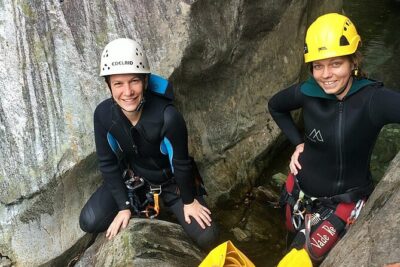 ★ 5.0Fun and Adventure – Best beginner canyoning near BellinzonaFrom $21979 reviews
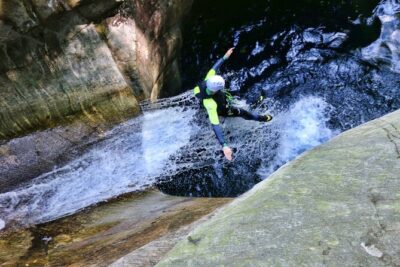 ★ 5.0Basic Corippo Canyoning Experience in Valle VerzascaFrom $19640 reviews
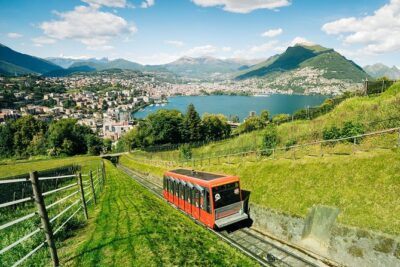 ★ 4.5Lugano Region Guided Excursion from Lugano to Monte San Salvatore by funicularFrom $2630 reviews
 ★ 5.0Lugano Mountains, tour from Milan, Lugano, lake Como.From $33727 reviews
 ★ 4.5Lugano & Morcote, Lake Lugano, private guided tour, from LuganoFrom $20421 reviews
 ★ 3.5Lugano Fox Trail GalileoFrom $4718 reviews
 ★ 4.5Lugano and its history exclusive walking tourFrom $17715 reviews
Browse the lists this tour appears in