
Review · JUNGFRAUJOCH & THE JUNGFRAU REGION
Jungfraujoch & Lauterbrunnen Alpine Tour | From Basel
Top of Europe, minus the hassle. This day trip strings together Europe’s highest railway to Jungfraujoch with guided walking in Lauterbrunnen and Interlaken, so you get both big-mountain drama and grounded valley time. I also like that the plan is built around rail passes, so you are not juggling tickets all day. The one drawback is simple, it is a long day, and the summit experience depends on good weather.
You start in Basel at 8:30am with a meet-and-greet at Basel SBB, and the group stays small, up to 15 people. It is offered in English and uses a mobile ticket, which makes boarding and keeping the schedule simple.
In This Review
- Key Highlights You Actually Feel During the Day
- Why This Basel to Jungfraujoch Day Works So Well
- Basel Start at 8:30, and the Small Details That Lower Stress
- The Rail Route: From Basel Through Interlaken, Grindelwald, and Kleine Scheidegg
- Grindelwald and the Eiger Express Moment
- Reaching Jungfraujoch: Eismer Views and the 3,466-Meter Arrival
- Ice Sculptures, the Viewing Platform, and What to Expect Up Top
- Lauterbrunnen Valley: Staubbach Falls in Real Scale
- Interlaken: Lakes, Promenade Time, and Easy Swiss People Watching
- How the Guide Changes the Quality of the Day
- Price and Value: What $770.73 Buys You Here
- Timing, Comfort, and What to Pack for a Rail Day at Altitude
- Who This Tour Suits Best (And Who Might Want Another Plan)
- Should You Book This Jungfraujoch and Lauterbrunnen Day Trip?
- FAQ
- What time does the tour start in Basel?
- How long is the Jungfraujoch and Lauterbrunnen Alpine Tour?
- Where is the meeting point in Basel?
- Is the tour offered in English?
- How big is the group?
- What is included in the price?
- Is lunch included?
- What should I expect at Jungfraujoch?
- Is there a weather requirement?
Key Highlights You Actually Feel During the Day
- Jungfraujoch rail climb that builds the drama as the train climbs past glacial lakes and massive rock faces
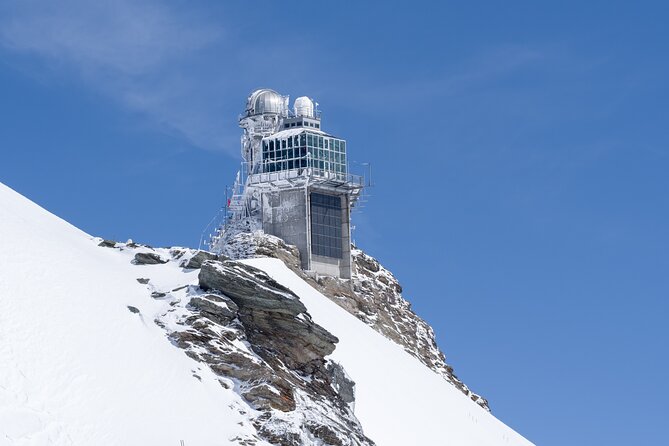
- Eismer Station time plus the Jungfraujoch viewing platform and glacier-saddle setting on the Aletsch Glacier
- Staubbach Falls in Lauterbrunnen with a walk to a 297-meter drop you can really frame for photos
- Interlaken as a Swiss Alps gateway stop, with lake promenade time and free time for shops and cafes
- Smaller group feel (max 15) and a guide who helps keep everything timed right
- Passes included (Standard Rail Pass, Jungfraujoch Pass, Half Fare Pass) so the day runs on rails, not tickets
Other Basel walks and afternoons
- Basel Farmer’s Market, Cheese, Chocolate & Pastry Tour★ 4.5 · 171 reviews
- Basel City Sightseeing Bus Tour★ 3.5 · 104 reviews
- Basel Historical Old Town Tour★ 4.0 · 99 reviews
- Mt. Pilatus & Lake Lucerne Cruise Small Group Tour | From Basel★ 4.5 · 99 reviews
Why This Basel to Jungfraujoch Day Works So Well
This trip is basically built for people who want the headline without the headache. The route is long, but it is also the point, you ride up through classic Swiss stops and arrive already set up to enjoy what is at the top.
The guide component matters more than you might think. When the day is run by someone who knows the flow, you spend less time figuring out what to do next and more time looking out the window, then walking when you reach the good parts.
Basel Start at 8:30, and the Small Details That Lower Stress
Your day begins at Basel SBB, with meet-and-greet help at Centralbahnstrasse 10, 4051 Basel. The start time is 8:30am and the tour runs about 11 hours, which is a real commitment, but it also means you get a full mountain-and-valley arc in one shot.
I like that the tour uses a mobile ticket. It sounds minor, but when you are jumping between trains and stops, having your entry sorted keeps you from turning into a frantic platform philosopher.
A small group size also changes the vibe. With a maximum of 15 people, the guide can keep the timing clean and still help you when questions pop up.
The Rail Route: From Basel Through Interlaken, Grindelwald, and Kleine Scheidegg
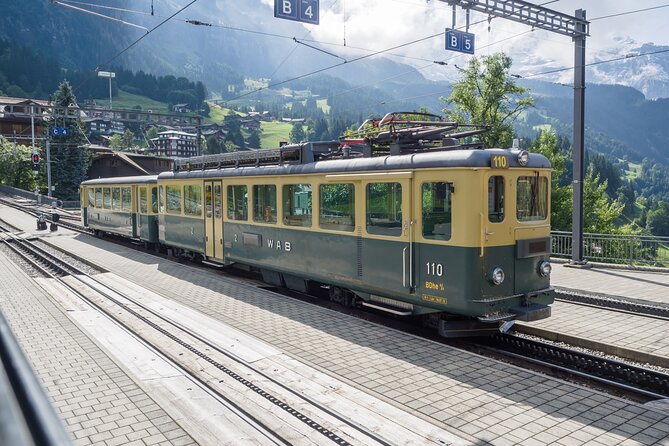
From Basel, you head toward Jungfraujoch via a sequence of Swiss mountain towns. The plan goes through Interlaken, Grindelwald, and Kleine Scheidegg, and along the way the guide shares stories about the people and history tied to each place.
This matters because the train rides are not just transportation here. You are moving through a geography that people live in, work in, and travel through, and the commentary helps you notice details beyond scenery. You also catch the rhythm of the region, the way valleys open, then the mountains tighten in.
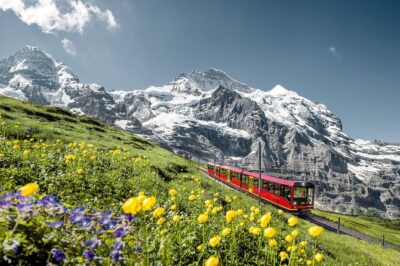
One of the better parts of riding early is that you can see the Alps build as you go. The journey climbs steadily through the Alps, and the route includes glacial lakes and rock faces that look different at each elevation.
Grindelwald and the Eiger Express Moment
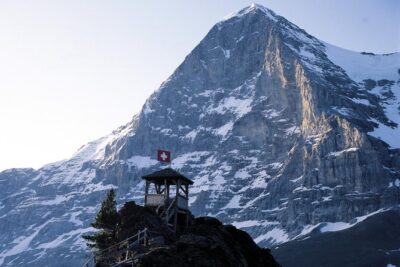
Some of the magic here is the quick shift in views as you approach the Eiger area. As your day progresses, you get an overlook of Grindelwald, then ride on the Eiger Express to Eiger Glacier Station.
That station stop is a classic “you feel the altitude” moment. You do not need to overthink it, you just need to be ready to look, because the Eiger region has a way of making photos feel too small for what you are seeing.
If you have trouble staying patient in transit, this is your payoff interlude. It breaks up the day so Jungfraujoch does not feel like one endless climb.
Other valley days: Grindelwald, Lauterbrunnen, Murren
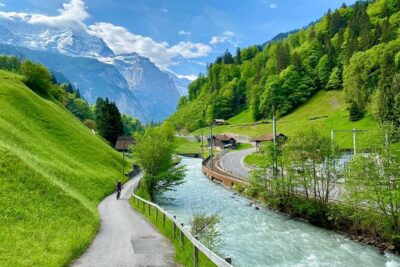
Reaching Jungfraujoch: Eismer Views and the 3,466-Meter Arrival
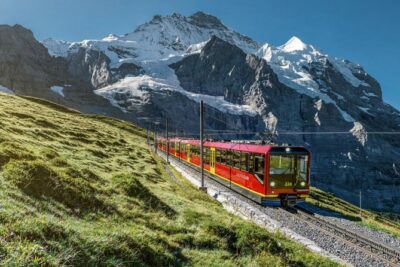
Once you are on the Jungfrau line, the route runs through Zweilütschinen, Grindelwald, and Kleine Scheidegg. The train continues its steady ascent, and the guide keeps the route meaningful with context about each town you pass.
You will also have a chance to take in the view from Eismer Station, which is described as the second highest railway station in the world after Jungfraujoch. Even if you have seen summit photos before, this kind of station stop changes your sense of scale, because you are standing and looking from a high-altitude rail perch.
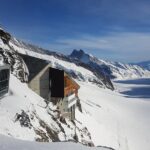
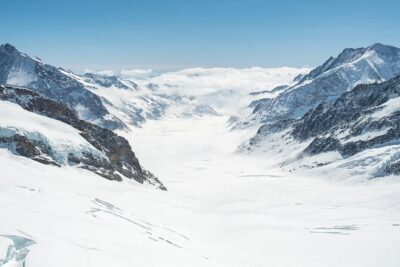
Then comes the headline: Jungfraujoch. The elevation listed is 3,466 meters, and the station sits on a glacier saddle on the upper snows of the Aletsch Glacier. That setup is not just scenery, it is part of the experience, the air feels different and the place feels engineered for winter extremes.
Ice Sculptures, the Viewing Platform, and What to Expect Up Top
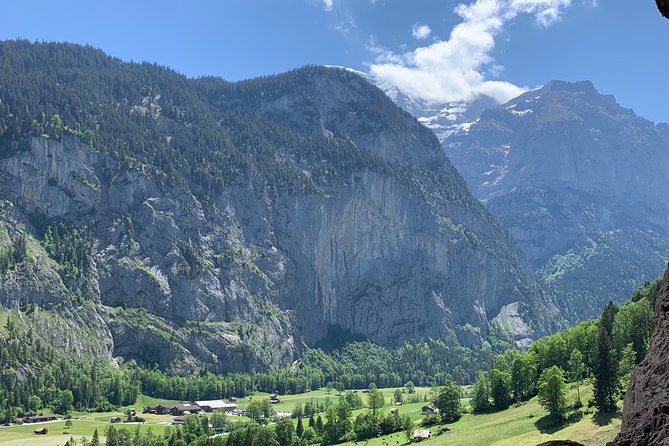
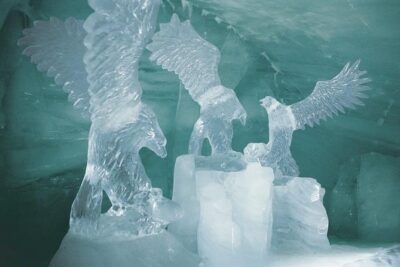
At Jungfraujoch, you explore the viewing platform and nearby areas designed for summit viewing. The description includes icy air, ice sculptures, and frosty vistas around the platform area.
This is the part where I suggest you slow your pace. It is tempting to rush for photos, but your best moments are usually the quiet ones, when you stand still long enough to really map the mountains around you.
Also, pay attention to wind and cold. One of the guide reports you will see in people’s write-ups highlights that even in winter conditions like snow and high wind, the payoff was worth it. So bring layers you can move in, and plan to spend time outdoors even if you do not feel like it at first.
Lauterbrunnen Valley: Staubbach Falls in Real Scale
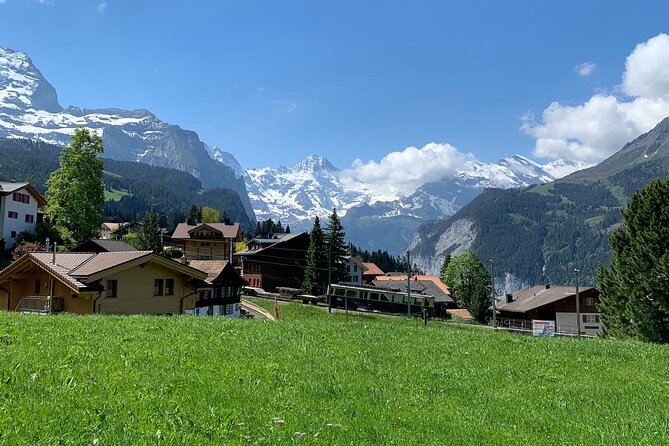
After the summit, the day shifts from high altitude to dramatic valley scenery. You head to Interlaken, and your route passes places like Wengen along the way, with views that change as the train heads into the valley shape.
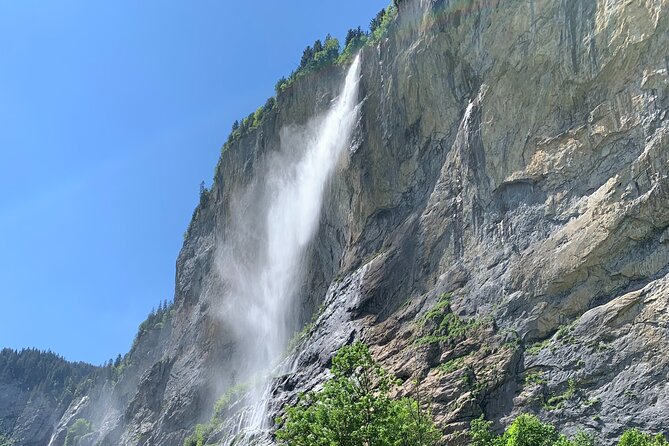
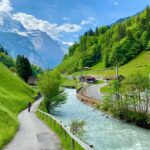
Then you pause at Lauterbrunnen, a valley town set within dramatic rock faces and known for waterfalls. The core stop is a walk to Staubbach Falls, which drops 297 meters from overhanging cliffs to the pool below.
This one hits different than a postcard waterfall because you can see how the water breaks into spray. You also get guide context, which helps you understand why this area became such a magnet for Swiss alpine tourism.
Photo tip that actually works: aim for a mix of wide shots and close framing. The wide ones show the cliff drama, and the close ones capture the spray texture that is hardest to capture from far away.
Interlaken: Lakes, Promenade Time, and Easy Swiss People Watching
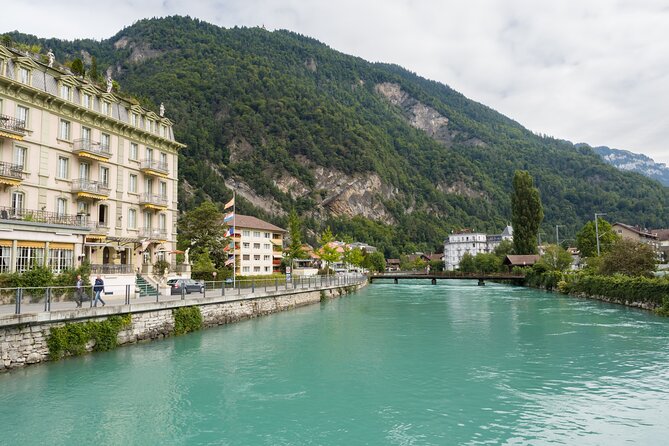
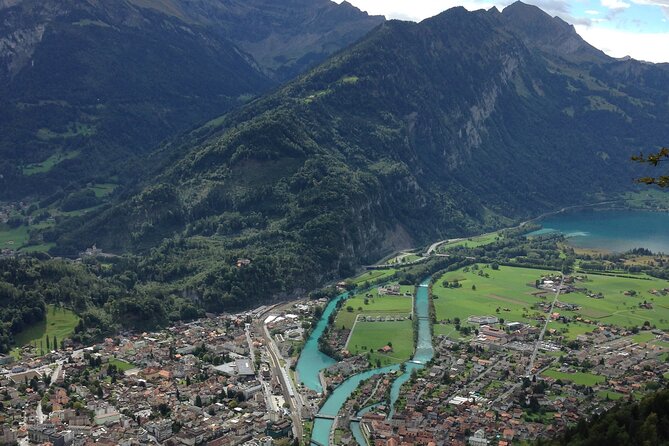
Next up is Interlaken, described as the hub between twin glacier-fed lakes. You get a guided city tour where the guide explains how Interlaken became a gateway to the Swiss Alps and points out details like pretty timber houses.
You also get practical downtime. The itinerary notes time to enjoy the lakeside promenade, plus time for gift and souvenir shops, artisan food and drink, and adventure equipment.
I like Interlaken here because it is not just a layover stop. It is a chance to reset after the mountain intensity, while still staying in the alpine story, with lakes like Lake Thun and Lake Brienz nearby.
How the Guide Changes the Quality of the Day
This tour’s standout is how it is run by a local guide. Multiple guides are referenced across people’s experiences, and the common thread is pacing and clarity.
Leighton Facey is mentioned for being superb, knowledgeable, gracious, and patient, especially helpful if you have been to the Jungfrau region before but want a deeper take on what you are actually seeing. Juliana is noted as very nice and helpful with interesting facts, and Ray gets credit for smooth timing and handling cold weather conditions without hiccups.
Jonas is another name that shows up with strong emphasis on taking care of everything and keeping it stress free, including coordinating the trains and letting you enjoy the day even with changes in how much time you want at each stop.
Even if you care less about facts, this matters. A good guide helps you decide what to do first at Jungfraujoch, where to stand for the best views, and when to move so you do not miss the window you actually came for.
Price and Value: What $770.73 Buys You Here
At $770.73 per person, this is not a budget trip. But for this specific route, the value case is strong because you are buying a bundled system, not just a ticket to a single place.
You get a local guide, a Standard Rail Pass, a Jungfraujoch Pass, and a Half Fare Pass, plus meet-and-greet help at Basel SBB. In practice, that means you spend money on a plan that already has the hard parts lined up, especially for Jungfraujoch, which is the most demanding and expensive-feeling stop on the whole day.
You also avoid the risk of spending your day at the mercy of ticket queues. With the passes included, the focus shifts back to enjoying the rides, waterfalls, and the lake town time.
And because you stop at multiple high-value locations, you are not paying a premium just to sit on a bus. You are riding iconic trains up into the Alps, then walking in the kind of valley scenery Switzerland does best.
Timing, Comfort, and What to Pack for a Rail Day at Altitude
The day runs about 11 hours, which means comfort is not optional. Your most exposed time will be at Jungfraujoch and around the valley viewpoints like Staubbach Falls, where weather can shift fast with elevation.
Bring layers that you can add or remove, plus gloves and a hat if you are going in cooler months. Even if conditions are not extreme, the itinerary includes an iced-air summit experience and a waterfall walk where spray might land on you.
For shoes, choose something with grip. The viewing areas can be cold and slick, and walking at Lauterbrunnen is part of the plan.
Who This Tour Suits Best (And Who Might Want Another Plan)
This is a great fit if you want one guided day that hits the top of the Alps and still gives you real time on the ground. If you like rail travel, high altitude views, and structured stops with a guide to keep you moving, you will likely enjoy it a lot.
It also works well for people who do not want to manage connections on their own. With a meet-and-greet, included passes, and a schedule designed around the trains, it keeps you from turning your trip into a spreadsheet.
If you hate cold weather, hate long days, or want total freedom to wander without timing, this might feel tight. The tour also needs good weather, and the summit experience can be impacted by conditions.
Should You Book This Jungfraujoch and Lauterbrunnen Day Trip?
I would book it if your must-do is Jungfraujoch, and you want that experience paired with classic valley highlights like Staubbach Falls and Interlaken. The included passes and guided pacing are the difference between a stressful day and a smooth one, especially with a small group cap and an English guide.
I would think twice if you are trying to squeeze in too much Swiss travel during one week, or if you are traveling in a season where cold wind is likely and you will struggle with outdoor time. Also, be honest with yourself about the long day format.
If you line up good weather expectations and you are okay with spending hours by rail, this is one of the cleaner ways to see a lot of the Swiss Alps story in a single day.
FAQ
What time does the tour start in Basel?
The tour starts at 8:30am in Basel.
How long is the Jungfraujoch and Lauterbrunnen Alpine Tour?
The duration is about 11 hours.
Where is the meeting point in Basel?
The meeting point is Basel SBB, Centralbahnstrasse 10, 4051 Basel, Switzerland.
Is the tour offered in English?
Yes, the tour is offered in English.
How big is the group?
The tour has a maximum of 15 travelers.
What is included in the price?
It includes a local guide, a Standard Rail Pass, a Jungfraujoch Pass, and a Half Fare Pass, plus a meet-and-greet at Basel SBB.
Is lunch included?
No, lunch is not included. You can purchase lunch by card at Jungfraujoch.
What should I expect at Jungfraujoch?
You ride up to the station at 3,466 meters, explore the viewing platform, and see ice sculptures and frosty vistas. The itinerary also includes time at Eismer Station for views.
Is there a weather requirement?
Yes, the experience requires good weather. If it is canceled due to poor weather, you will be offered a different date or a full refund.
Getting to the Top of Europe
The Lauterbrunnen Valley, Three More Ways
Basel, Keep Going

Just added to the Switzerland review pile
- The nightwatchman’s secret
★ 5.0 · 3 reviews - Private Transfer Service from Basel to Basel Airport
★ 5.0 · 3 reviews - Engelberg, Cheese, and Mt. Titlis Private Tour from Basel
★ 5.0 · 3 reviews - Private Tour to Zermatt Village and Matterhorn Glacier Paradise
★ 5.0 · 3 reviews - Private Arrival Transfer: from Basel Airport to Zurich City
★ 5.0 · 4 reviews - Pinot Noir & Pinot Wine Tour to Baden-Württemberg
★ 5.0 · 4 reviews
Jungfraujoch & the Jungfrau Region next to each other.
 ★ 4.5Jungfraujoch: Top of Europe Day Trip from ZurichFrom $3801,647 reviews
 ★ 4.5Jungfraujoch Day Trip from Zurich: Swiss Alps & Bernese OberlandFrom $3861,409 reviews
 ★ 4.5Jungfraujoch Top of Europe Day Trip from LucerneFrom $366840 reviews
 ★ 4.5Jungfraujoch Top of Europe Day Trip from InterlakenFrom $361518 reviews
 ★ 4.0From Interlaken: Jungfraujoch Top of Europe TicketFrom $288251 reviews
 ★ 4.5Jungfraujoch Day Trip from Lucerne with Eiger Express GondolaFrom $373164 reviews
 ★ 4.0Eiger and Jungfrau Glacier Panorama Tour from ZurichFrom $20268 reviews
 ★ 4.0Jungfrau Travel Pass 3-8 daysFrom $26055 reviews
Browse the lists this tour appears in