
Review · LAUSANNE & THE LAVAUX VINEYARDS
Historic Lausanne: Exclusive Private Tour with a Local Expert
Old Lausanne rewards slow feet. This private walking tour is a smart way to see more than postcards, linking key sights like Lausanne Cathedral with quieter streets and local stories as you go. You’ll move at a walking pace that fits your group, and the route is designed to keep you connected to the city, not stuck inside a museum.
I like two things most. First, the local expert guide focus means you get practical context for what you’re looking at, not just dates. Second, you’re not sharing your route with strangers, so you can ask questions and get real tips on what to notice next. One thing to consider: this is a walking tour with historic stairs and uneven old-town footpaths, and it is not recommended for guests with impaired mobility.
In This Review
- Key Points to Know Before You Go
- A 2-hour Private Walking Tour That Starts at Bessières Bridge
- Bessières Bridge: A View for Getting Your Bearings Fast
- Lausanne Cathedral: Gothic Architecture You Can Actually Read
- Château St-Maire on Rue de la Barre: Medieval to Government, Still in Use
- Escaliers du Marché: The Historic Stairway That Links the City Center
- Palais de Rumine at Place de la Riponne: Museums Inside Grand Style
- Rue de Bourg: Historic Streets with Everyday Energy
- Esplanade de Montbenon: A Breather With Views
- Musée de l’Elysée Finish at Place de la Gare: Photography to Close the Loop
- The Guide Factor: Why the Stories Matter More Than the Checkpoints
- Price, Value, and What $211.21 Really Covers
- How to Make This Tour Feel Easy (Not Just Short)
- Who Should Book This Lausanne Private Tour
- Should You Book This Historic Lausanne Private Tour?
- FAQ
- How long is the Historic Lausanne private tour?
- Is this tour truly private?
- Where do we meet and where does the tour end?
- What is included in the price?
- What is not included?
- Does the route change if the weather is bad?
- Is this tour suitable for people with impaired mobility?
- Can I cancel and get a full refund?
Key Points to Know Before You Go
- Start at Bessières Bridge for a quick view that frames how Lausanne’s neighborhoods connect.
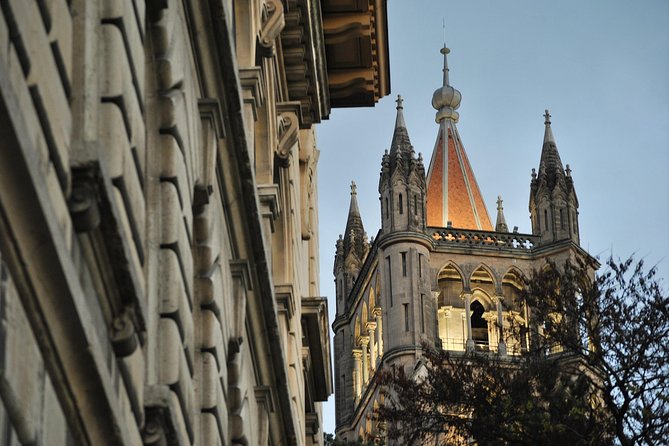
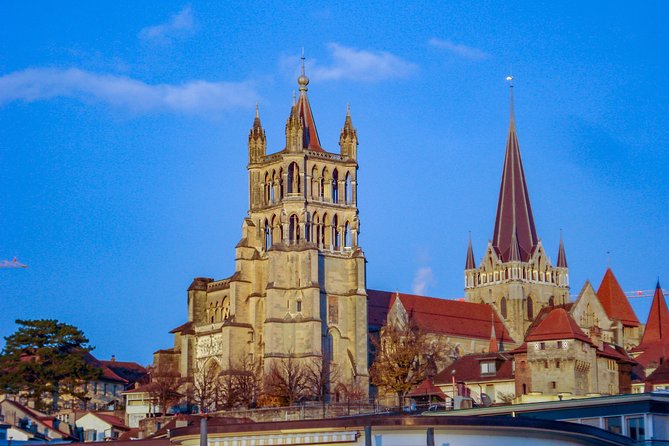
- Lausanne Cathedral is the architectural anchor, with Gothic design that matters to the city’s story.
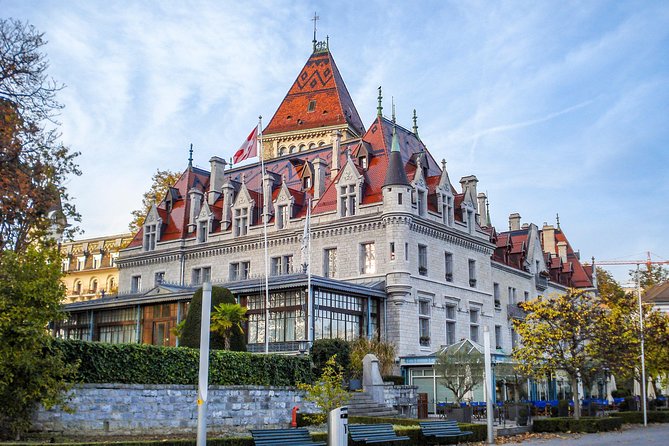
- Château St-Maire ties medieval power to today, since it was once a bishops residence and now functions as a government site.
- Palais de Rumine mixes culture and learning, and it’s a natural stop if you like museums but also like streets.
- Escaliers du Marché gives you the old-town shortcut, linking the city center to the cathedral with a traditional feel.
- End at Musée de l’Elysée, a well-known photography museum near Place de la Gare.
More Lausanne, and the terraces above it
- The Olympic Museum Entrance Ticket in Lausanne★ 4.5 · 211 reviews
- Vine Stories: Lavaux & Lutry wine walk★ 5.0 · 67 reviews
- Riviera Col du Pillon & Glacier 3000 from Lausanne★ 5.0 · 32 reviews
- (KTL352) – Gruyeres Day Trip with Chocolate Factory from Lausanne★ 4.0 · 17 reviews
A 2-hour Private Walking Tour That Starts at Bessières Bridge
This is a compact, walk-first tour, about 2 hours from start to finish. You meet at Bessières Bridge (Pont Charles Bessières area) and finish at Musée de l’Elysée, Place de la Gare 17. That end point is handy because you’re effectively dropped in a lively hub right by public transport, so you can keep exploring or head out without fuss.
The big value here is the “only your group” setup. That matters in Lausanne, where sightlines, small streets, and hill steps can turn a normal group tour into a line of people shuffling uphill. With a private guide, the plan can adapt to your pace, your questions, and your interests. The tour is also described as tailored, which means you should be able to steer the conversation a bit, instead of watching the guide race ahead.
One practical note: the tour route may vary with weather conditions. Lausanne weather can change quickly, so plan for a light layer and shoes that handle slick or damp stone. Also, you’ll want to be comfortable walking the old-town terrain. This one is not built for wheelchairs or anyone who needs a fully flat path.
Bessières Bridge: A View for Getting Your Bearings Fast
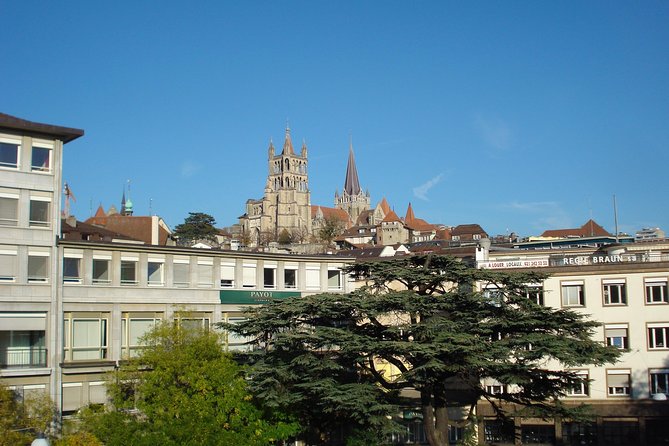
Your first stop is Bessières Bridge, and it’s not just a pretty photo moment. The point is orientation. The bridge offers a view that helps you understand Lausanne’s layout, how the city relates from neighborhood to neighborhood, and how the old core sits within the broader setting.
On a short tour, that kind of “visual framework” is surprisingly useful. It’s the difference between seeing places and actually understanding where everything sits relative to everything else. Once you have that first look, the rest of the walk tends to click into place.
It also sets the tone: this tour is about seeing the city as a connected whole. You’re not doing a checklist. You’re building a mental map while you walk.
Lausanne Cathedral: Gothic Architecture You Can Actually Read
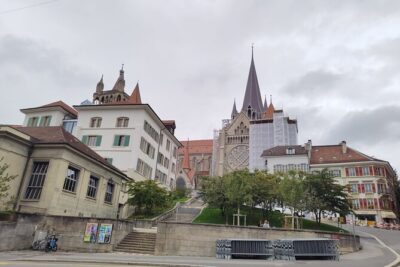
The tour’s centerpiece is Lausanne Cathedral, described as a magnificent example of Gothic architecture and a key religious and historical landmark. Even if you’re not a church-and-architecture superfan, this stop works because you’re standing in front of something that shaped the city’s center over time.
What I like about this kind of cathedral stop on a guided walk is the “look closer” effect. Your guide can point out what makes it Gothic in the first place, and why it mattered beyond religion, especially in how Lausanne organized itself around the cathedral area.
If you’re the type who likes to pause, look up, and then move on when it makes sense, you’ll likely enjoy this stop. If you’re rushed or you only want quick exterior shots, you might find yourself wishing you had more time inside. Since entry tickets for monuments are not included, check your own comfort level on whether you want to add entry tickets later.
Château St-Maire on Rue de la Barre: Medieval to Government, Still in Use
Next you head to Château St-Maire on Rue de la Barre. This building is significant because it connects medieval Lausanne to present-day function. It was once a residence for bishops, and now it serves as a government site.
That mix of past and present is exactly what makes these stops feel alive. You’re not looking at something sealed off behind history glass. You’re looking at a structure that still carries authority, just in a different form.
Practical tip: keep your eyes open for details your guide highlights. For many travelers, castles and “château” buildings can start to blend together. Here, the bishop-to-government thread gives you a clear story to attach to what you see.
Escaliers du Marché: The Historic Stairway That Links the City Center
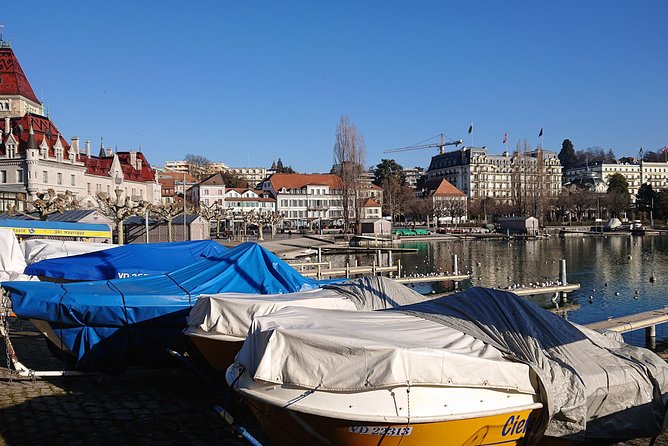
One of my favorite things about walking tours in old European cities is when they include a route locals would actually take. Escaliers du Marché is exactly that kind of stop. It’s a historic staircase that links the city center to the cathedral, and it’s described as charming and traditional.
Staircases can be tricky on a travel day, but they’re also where you get the real texture of a place. The steps create short breathing spaces where you look around, turn your head, and notice how streets funnel toward the cathedral area.
Because the tour is only about two hours, this staircase stop feels efficient. You get a sense of how people moved through the city back when travel was slow, and you get a natural transition point between landmarks.
If you have knee issues or you’re not great with steep stairs, keep that in mind. This is the kind of old-town feature that can make or break comfort levels.
Palais de Rumine at Place de la Riponne: Museums Inside Grand Style
The tour includes Palais de Rumine at Place de la Riponne. It’s described as an architectural marvel that houses several important museums, and it reflects the city’s commitment to culture and education.
Even if you don’t plan to go inside, the exterior setting can be worth your time. Big civic buildings like this are often the visual “statement” of a city’s priorities. If Lausanne is trying to tell you something about itself, this is a strong clue.
Here’s the practical part: museum entry tickets are not included. So if you want to actually step into the museums, you’ll need to pay for those separately. The guide can still help you decide which direction to go afterward, but you won’t be handed entry on a platter.
Rue de Bourg: Historic Streets with Everyday Energy
Then it’s over to Rue de Bourg, described as a prominent shopping street known for a vibrant atmosphere and historic buildings. This stop works because it keeps the tour grounded in how a city lives now.
A cathedral and château can make a tour feel a little “stage set.” Streets like Rue de Bourg bring it back to reality. You can look at the storefront rhythm, the building facades, and the way the street supports daily life.
If you enjoy taking a break during sightseeing, this is one of the places where you can spot where you’d actually want to return later. Also, if you have food or coffee plans, a shopping street is usually a good clue about where locals gather.
Esplanade de Montbenon: A Breather With Views
Next comes Esplanade de Montbenon at Allée Ernest-Ansermet. This stop is described as a serene public space with beautiful views, showing Lausanne’s blend of urban and natural beauty.
This is a smart pacing choice. After a stretch of landmarks and street walking, the esplanade gives you a moment to reset. Views also help cement the route in your mind, like tying a ribbon around the tour theme.
Since you’re on foot for the full experience, I love that the tour includes a calm stop instead of making everything “look and go.” It’s easier to remember what you saw when you get a pause built into the plan.
Musée de l’Elysée Finish at Place de la Gare: Photography to Close the Loop
The tour ends at Musée de l’Elysée at Place de la Gare 17. This museum is known for photography, and finishing here makes sense if you like seeing art as a different lens on a city.
Even if you don’t enter the museum, ending at a museum near a transit hub is a great travel move. You can decide on the spot if you want a ticket, or you can hop on public transportation and keep your day moving.
From an enjoyment standpoint, photography museums can be a strong capstone for a walking tour. You’ve just learned how Lausanne formed, and now you’re looking at how artists see. It’s a natural shift.
The Guide Factor: Why the Stories Matter More Than the Checkpoints
The strongest praise for this experience is consistently about the guide. One tour specifically mentioned Thomas as awesome, and it’s not hard to see why that kind of guide makes a short private tour feel much longer in the best way.
A standout detail from that experience: you might hear organ music during the church stops. Even without knowing which churches you’ll pass, it’s the kind of sensory surprise that makes old-town walks more than just architecture photos.
That storytelling layer is also what turns “landmarks” into context. You’re not just ticking boxes like Lausanne Cathedral, Château St-Maire, and Palais de Rumine. You’re getting a guided explanation for why they matter, and you can ask questions as you go.
And because it’s private, your guide can slow down when you want details or speed up when you’d rather keep moving.
Price, Value, and What $211.21 Really Covers
At $211.21 per person, this tour is priced as a true private experience. The value comes from three things that are explicitly included: a local expert guide, an exclusive private tour, and a tailored itinerary.
So you’re not paying just for walking with someone holding a map. You’re paying for a guide who can shape the pace, adapt the route to your interests, and connect the dots between what you’re seeing.
What’s not included is also important for value planning. Transportation entry, museum entry, and monument entry tickets are excluded, along with personal expenses. That means your final cost depends on how many places you actually want to enter. For many people, it works best as a “walk-and-learn” tour, then you decide later what to add.
If you’re traveling in a pair, private tours can start to feel more reasonable because you get individual attention without the friction of a group pace. If you’re solo, it can still be a good spend when you want maximum direction and minimum wait times, but you should go into it knowing you’re paying for the exclusivity.
Also, confirmation is received at booking, and the tour uses a mobile ticket. That keeps things simple on the day.
How to Make This Tour Feel Easy (Not Just Short)
Because it’s a walking tour with historic stairs, your comfort choices matter. Wear shoes you trust on stone, and bring a small layer for changing weather since stops can shift.
Plan your day around the start and finish points. Starting at Bessières Bridge means you’ll want to already be in that area or ready to arrive using public transport. Finishing near Place de la Gare makes it easier to continue your itinerary right away.
If you’re the kind of traveler who likes to maximize the day, you’ll likely want to reserve extra time after Musée de l’Elysée. Even if you skip the museum ticket, you’ll still be done in a convenient location.
And since the itinerary is tailored to walking pace and interests, show up ready to talk. If you care about architecture, tell the guide. If you care more about everyday city life, ask about what to notice on Rue de Bourg and the public spaces.
Who Should Book This Lausanne Private Tour
This one fits best if you want:
- A private, guided walk through historic Lausanne in about two hours
- A guide who can connect Lausanne Cathedral, Château St-Maire, Palais de Rumine, and more into a clear story
- A route that includes both big landmarks and smaller street scenes like Rue de Bourg and Escaliers du Marché
It’s less ideal if:
- You need a fully step-free route, since it’s not recommended for impaired mobility
- You hate walking on uneven old-town surfaces
- You expect museum entry to be included automatically
If you like photography museums, you’ll appreciate that you finish at Musée de l’Elysée. If you prefer churches, you might even catch organ music along the way, depending on the route and timing.
Should You Book This Historic Lausanne Private Tour?
If you’re deciding between a quick “see the sights” stroll and a guided, story-led walk, I’d pick this. The private setup means you get attention, flexibility, and a guide who can make Gothic architecture, bishop-to-government history, and museum buildings feel like part of one connected Lausanne.
Book it if:
- You want a local expert to translate what you’re seeing
- You value a route that adapts to your pace
- You want a finished day that ends near Place de la Gare where getting around is easy
Skip it if you can’t handle stairs and old pavement, or if you mainly want museum time and nothing else. In that case, you may prefer a tour that starts and ends inside the museums, where access is more controlled.
Either way, this is a smart choice for anyone who wants Lausanne to feel personal, not just photographed.
FAQ
How long is the Historic Lausanne private tour?
It lasts about 2 hours.
Is this tour truly private?
Yes. It’s an exclusive private tour, and only your group participates.
Where do we meet and where does the tour end?
You start at Bessières Bridge (Pont Charles Bessières, 1003 Lausanne) and end at Musée de l’Elysée (Pl. de la Gare 17, 1003 Lausanne).
What is included in the price?
The tour includes a Local Expert Guide, an exclusive private tour, and a tailored itinerary.
What is not included?
Not included are personal expenses, and also entry tickets for transportation, museums, and monuments.
Does the route change if the weather is bad?
Yes. The itinerary adapts to weather conditions, and stops may vary.
Is this tour suitable for people with impaired mobility?
It is not recommended for guests with impaired mobility.
Can I cancel and get a full refund?
Yes. You can cancel up to 24 hours in advance for a full refund.
More Guided Swiss Outings


The Rest of the Switzerland Reviews


Lausanne and the Terraced Vines
Just added to the Switzerland review pile
- Explore Lausanne in 60 minutes with a Local
★ 4.0 · 3 reviews - Historic Lausanne: Exclusive Private Tour with a Local Expert
★ 4.0 · 5 reviews - (KTL303) – Winter Tour Montreux and Chaplin’s World from Lausanne
★ 5.0 · 7 reviews - Lausanne Foxtrail Citi
★ 4.5 · 7 reviews - Panoramic Wine Tour From Lausanne
★ 5.0 · 8 reviews - Explore Lausanne in 60 minutes with a Local
★ 3.0 · 8 reviews
Lausanne & the Lavaux Vineyards next to each other.
 ★ 4.5The Olympic Museum Entrance Ticket in LausanneFrom $26211 reviews
 ★ 5.0Food tour with EAT and CHILL TOUR Geneva & LausanneFrom $32570 reviews
 ★ 5.0Vine Stories: Lavaux & Lutry wine walkFrom $30967 reviews
 ★ 5.0Riviera Col du Pillon & Glacier 3000 from LausanneFrom $10432 reviews
 ★ 4.0Geneva to Lausanne, Montreux and Château Chillon Private TourFrom $54619 reviews
 ★ 4.0Gruyeres Day Trip with Chocolate Factory from LausanneFrom $17917 reviews
 ★ 3.5Round trip cruise from Lausanne to ChillonFrom $6815 reviews
 ★ 5.0Taste Lausanne – A Full Swiss Food Tour by Do Eat BetterFrom $22714 reviews
Browse the lists this tour appears in