
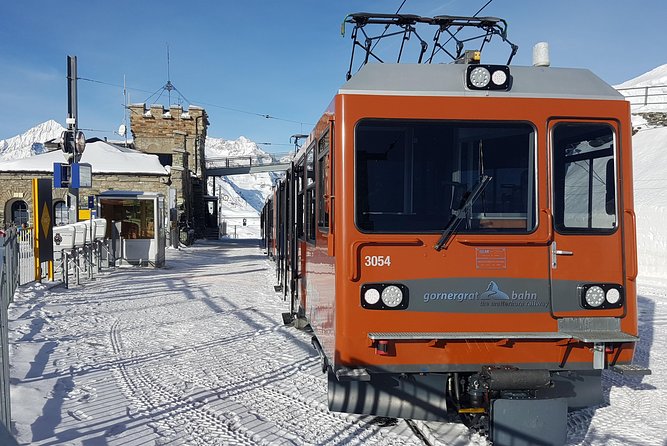
Review · ZERMATT & THE MATTERHORN
Zermatt & Mt. Gornergrat Small Group Day Trip from Zürich
Matterhorn in one long day. This small-group trip strings together Zürich, Bern, and the car-free village of Zermatt, then pushes up to Gornergrat for the big Matterhorn panorama. It is a rail day with real mountain payoff, and your guide keeps the timing tight so you do not miss connections.
Two things I love right away: the small-group pace, and the fact that the most scenic parts are built around trains you can actually rely on. Guides like Enzo, Martin, Ueli, Emil, and Michael show up in the background of these experiences a lot, and the pattern is clear. People feel looked after, and the transfers feel less stressful when someone is watching the clock and the platform signs.
One drawback to plan for: it is a long day, and weather can steal the view. Even with a perfect plan, fog can hide the Matterhorn, so bring realistic expectations and have your camera ready anyway.
In This Review
- Key highlights worth marking on your map
- The big idea: why Zermatt and Gornergrat are a day-trip magnet
- Zürich to Visp, then through Bern, Thun, and the Lötschberg Base Tunnel
- Zermatt village walk: where the day starts feeling like a trip
- Kirchbrucke bridge, mountaineers’ cemetery, and the Monte Rosa hotel stop
- Up to Gornergrat: the cogwheel climb and the 3,000-meter feeling
- Back down to Zermatt, then return to Zürich
- Price and value: what you are paying for (and what you are not)
- Weather, the Matterhorn, and how to keep the day from feeling ruined
- Who this tour suits best
- Should you book this Zürich to Zermatt and Gornergrat day trip?
- FAQ
- How long is the Zürich to Zermatt and Gornergrat day trip?
- What time does the tour start, and where do I meet?
- Is the Matterhorn visible for sure?
- What does the tour price include?
- Do I need to pay for food during the day?
- Is this really a small group tour?
- What happens if the weather is bad?
Key highlights worth marking on your map
- Car-free Zermatt village time with a walk through classic wooden-house streets
- Kirchbrucke bridge viewpoint for the classic postcard angle toward the Matterhorn
- Gornergratbahn altitude payoff on the cogwheel climb, with glaciers and 4,000-meter peaks in reach
- Transport included end-to-end plus a priority boarding pass for the Matterhorn railway
- Gornergrat multi-media option if clouds roll in, so you are not stuck staring at gray sky
- Up to 15 people keeps the day moving without feeling like a cattle-call
More Zurich, walked and written up
- Mount Titlis and Lucerne Day Trip from Zurich★ 4.5 · 1,960 reviews
- Heidiland and Liechtenstein Tour from Zurich★ 4.0 · 1,745 reviews
- Jungfraujoch: Top of Europe Day Trip from Zurich★ 4.5 · 1,647 reviews
- Jungfraujoch Day Trip from Zurich: Swiss Alps & Bernese Oberland★ 4.5 · 1,409 reviews
The big idea: why Zermatt and Gornergrat are a day-trip magnet
Zermatt is not just a pretty place. It is a special setup: it is famously car-free, so the village feels calmer than most mountain towns. That matters, because this tour uses Zermatt as your reset point before the altitude jump.
Then you get Gornergrat. The ridge sits at about 3,135 m, and the view angles are the reason this spot keeps earning repeat visits. From there you can see more than 20 four-thousanders, including Monte Rosa and the Matterhorn, plus the glaciers (Gorner Glacier and Findel Glacier show up in the same viewing area concept). In plain terms, it is the kind of viewpoint where you spend more time looking around than taking one single photo.
The best part, in my view, is the balance. You do not just shoot for the top and sprint back down. You get guided village stops, short but meaningful viewpoints, and then a proper time window up high.
Zürich to Visp, then through Bern, Thun, and the Lötschberg Base Tunnel
Your day starts at Zürich Hauptbahnhof, at the Zürich Tourist Information, with a start time of 8:15 am. Expect around 11 to 12 hours total for the whole circuit.
From Zürich to Visp is about two hours by train. The ride itself is part of the appeal. You pass Bern, which functions as Switzerland’s capital, and you go by Lake Thun in the Bernese Oberland. This is not a scenic train in the movie-poster sense only. It is a practical way to cross the country without thinking about schedules, parking, or changing routes yourself.
Then comes the Lötschberg Base Tunnel. It is 34.6 km long and was put into operation in 2007, crossing under the northern Alpine chain between Frutigen and Raron. You are not going to stand up and admire engineering while you sit in your seat, but you will get the context from your guide, and it adds a satisfying layer to the day. I love when a transit segment turns into a story you can repeat later.
You end up in Visp, swap trains, and then switch to the Matterhorn-Gotthard-Railway cogwheel line. That cogwheel segment to Zermatt takes about 55 minutes. It is a slow-and-sure ascent through valleys and into mountain terrain, and it sets your body up for the altitude you will feel later.
Zermatt village walk: where the day starts feeling like a trip
Once you reach Zermatt, you are not dropped into a random free-for-all. You get a focused walk through the old part of the alpine village, with typical wooden houses. This is one of the places where small-group format makes a difference. You can actually look at things without getting left behind.
The tour gives you about two hours in Zermatt for this village area. That time is short, but it is enough for a real stroll and a few key stops, especially if you keep an eye on the guide and the group pace.
A practical tip: in Zermatt, your best photos usually come from walking a few blocks, stopping briefly, and then walking again. Do not overthink it. The village layout rewards slow movement, not frantic zooming.
Also remember the basic vibe of Zermatt: because it is car-free, you will see fewer vehicles and more pedestrian flow. That makes the village feel more like a place you are visiting, not a place you are passing through.
Kirchbrucke bridge, mountaineers’ cemetery, and the Monte Rosa hotel stop
After the village walk, you hit the classic viewpoint at Kirchbrucke bridge for the typical Zermatt picture toward the Matterhorn. The time here is brief, about 10 minutes. Do not treat it like a museum stop. Use it like a snapshot moment. If clouds are active, you will want to be ready to switch from photo mode to observation mode quickly.
Next is the Mountaineer’s Cemetery. It is another short stop (also about 10 minutes), but it changes the emotional tone of the day. You get a look at how the mountain climbs came with risk, and you also get the sense of why Zermatt takes alpine safety seriously. It is part of the history of climbing here, and it helps you understand that this iconic view comes with a serious human story behind it.
Then you pass by or visit the hotel Monte Rosa area, which is where the first ascent of the Matterhorn started. There is information there about the first ascent and its tragedy. Even if you already know the broad story of the Matterhorn, this kind of stop adds grounding. You see how the village and the mountain are linked by real events, not just postcards.
Up to Gornergrat: the cogwheel climb and the 3,000-meter feeling
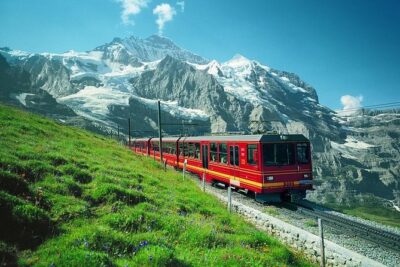
The tour’s main altitude moment is the cogwheel ride up toward Gornergrat. First you travel about 30 minutes by cogwheel train to the high alpine area around 10,000 ft. Even if you have traveled in Alps regions before, this transition tends to feel real. Air changes, temperatures can drop, and the horizon suddenly looks closer.
Then you get to the Gornergrat ridge and viewpoint area at around 3,135 m. There is about two hours here, including time for viewpoints and indoor options like the multi-media experience world that shows the Matterhorn and surrounding alpine world in dimensions. That matters because weather is the wildcard.
If the day is clear, you get wide panoramic views that include the Matterhorn, Monte Rosa, and the surrounding peaks, plus glacier scenery. If the day is cloudy, the multimedia and indoor options can save your time up high. You still come away with context, and you do not feel like the day was purely wasted waiting for the sky to cooperate.
One extra detail I would not skip: the terminus connects to the Kulmhotel area, which is described as the highest mountain hotel in Switzerland. Even if you do not go inside, it is a visual anchor for the altitude. It makes the place feel like a destination, not just a stop sign.
Back down to Zermatt, then return to Zürich
After Gornergrat, you ride down and return toward Zürich. The outbound and inbound routing is the same general path: Zermatt to Visp on the rail lines, then the train back to Zürich. The return ride is about three hours.
This is where you should manage expectations about the full-day rhythm. You are not going to arrive back with a lot of energy for long extra plans in Zürich that evening. This is a full-day outing. The upside is that you skip driving stress and you get a guided sequence of the best-feeling stops.
Also, if you are thinking about lunch, plan to buy it yourself. Food or drinks are not included. The tour does give time windows, so you can stop for something you can actually eat comfortably, but you should budget for it.
Price and value: what you are paying for (and what you are not)
At $756.31 per person, this is not an impulse purchase. The sticker price is high enough that it deserves a close look at value.
Here is what you do get that most DIY days do not bundle well:
- A local guide who helps you manage stations, timing, and key viewpoints
- All transportation fees included for the rail day
- A priority boarding pass for the Matterhorn railway
- Tickets included for getting up to the Gornergrat area and the high viewpoint time
- The structured stops in Zermatt, including the cemetery and the viewpoints
What you do not get:
- Food and drinks during the day
Now, the honest part. This trip is rail-heavy. One person felt it turned into mostly transfers because of missed connections, and another felt the schedule left too little time in Zermatt or on the top. That can happen if weather changes fast, if train connections are tight, or if your group’s expectations about free time are different than the tour plan.
My advice for value is simple: if your top priority is the Matterhorn and Gornergrat viewpoint experience, and you want someone else to handle the moving parts, this price can make sense. If you want a slow, flexible mountain day with lots of unplanned wandering, the pacing might feel expensive.
Small-group size helps, but it does not remove the reality of a big day trip from Zürich.
Weather, the Matterhorn, and how to keep the day from feeling ruined
Matterhorn sightings are a weather game. Some days you see it clearly for most of the trip, and some days clouds roll in at the worst possible time.
The good news is that the tour design has built-in coping. You are not only going up for one single magical moment. You get multiple Zermatt stops that still feel meaningful even if the Matterhorn is hidden. You also have that indoor multi-media option on Gornergrat if the weather is rough.
If you want to give yourself the best shot, check the forecast before you go. Even with that, Switzerland keeps the final say. Your goal should be to enjoy the day for the whole experience: the village, the ridgeline, and the high-altitude views when they open up.
Who this tour suits best
This is a great match if:
- You want a guided plan for a long rail day and you prefer not to manage connections yourself
- You care about reaching Gornergrat with minimal stress
- You want an efficient introduction to Zermatt beyond just shopping and one quick photo
It may not be the best match if:
- You really need lots of downtime in Zermatt itself
- You are the type who hates fixed schedules and quick stops
- You expect the guide to fill every train minute with extended conversation, rather than keeping the day on track
The guides seem to make or break the experience. People who mention Enzo, Martin, Ueli, Emil, Michael, and Ani usually describe quick coordination, helpful timing, and calm patience. That is exactly what you want on a day with multiple train steps.
Should you book this Zürich to Zermatt and Gornergrat day trip?
If your goal is classic Alpine views with a guide handling the complicated part, I would book it. The included transport, the priority boarding help, and the structured Zermatt stops make it feel like a real trip, not just a transport ticket.
I would hesitate only if you know you will be deeply unhappy with a fast day, or if your schedule does not allow weather to shift your plans. For a lot of people, the cost is justified because the day is long, and the mountain is expensive to reach and experience well.
FAQ
How long is the Zürich to Zermatt and Gornergrat day trip?
It runs about 11 to 12 hours.
What time does the tour start, and where do I meet?
You start at 8:15 am at Zürich Tourist Information, Hauptbahnhof, 8001 Zürich.
Is the Matterhorn visible for sure?
No. The experience requires good weather, and some days the Matterhorn can be obscured by fog or clouds.
What does the tour price include?
It includes a local guide, all transportation fees, and a priority boarding pass for the Matterhorn railway. Tickets for the Gornergrat portion are included as part of the itinerary.
Do I need to pay for food during the day?
Yes. Food and drinks are not included, so you will need to plan your own lunch.
Is this really a small group tour?
Yes. It has a maximum of 15 travelers.
What happens if the weather is bad?
The experience requires good weather. If it is canceled due to poor weather, you will be offered a different date or a full refund.
If you want, tell me your travel month and whether your priority is photos or more time in the village. I can help you decide if the Gornergrat timing fits your style.
The Rest of the Switzerland Reviews
Zurich, A Few More Ways In
Just added to the Switzerland review pile
- Experience Swiss Countryside on a Private Tour by Car from Zurich
★ 5.0 · 3 reviews - Winterthur Foxtrail Rosalie
★ 5.0 · 3 reviews - Wakeboarding Lake Zurich – afternoon !
★ 5.0 · 3 reviews - Private Luzern and Mount Titlis Experience in Swiss Splendor
★ 5.0 · 3 reviews - Jungfrau, Top of Europe & Interlaken Small group from Zurich
★ 4.5 · 3 reviews - Private Arrival Transfer: from Zurich Airport to Bern City
★ 5.0 · 3 reviews
Zermatt & the Matterhorn next to each other.
 ★ 5.0Private Ski Lessons – 3 hours ZermattFrom $432279 reviews
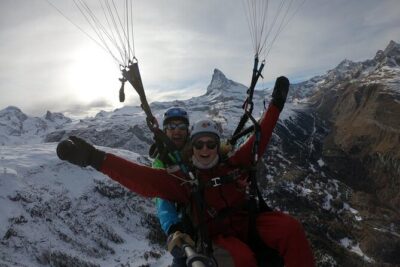 ★ 5.0Matterhorn Paragliding flight in Zermatt (20-25min)From $399207 reviews
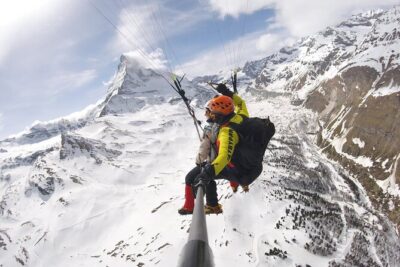 ★ 5.0FLYMATTERHORN VIP Paragliding from Zermatt, With Matterhorn ViewFrom $452192 reviews
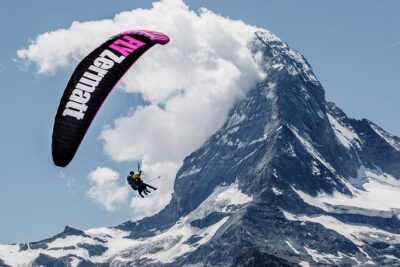 ★ 5.020 to 25 Minute Tandem Paragliding in Zermatt and Matterhorn ViewFrom $37040 reviews
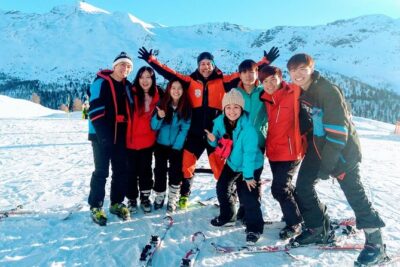 ★ 5.0HALF DAY 3-Hour Private Ski Lessons in Zermatt, SwitzerlandFrom $38338 reviews
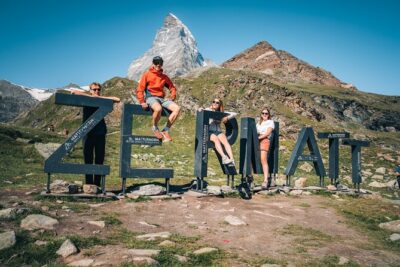 ★ 4.5Day Tour to Zermatt Matterhorn and Glacier Paradise from GenevaFrom $23135 reviews
 ★ 5.0VIP Ski or Snowboard Lesson – Full Day ZermattFrom $85635 reviews
 ★ 4.5Zermatt & Mt. Gornergrat Small Group Day Trip from BaselFrom $74930 reviews
Browse the lists this tour appears in